World War Two — The War That Reshaped the World
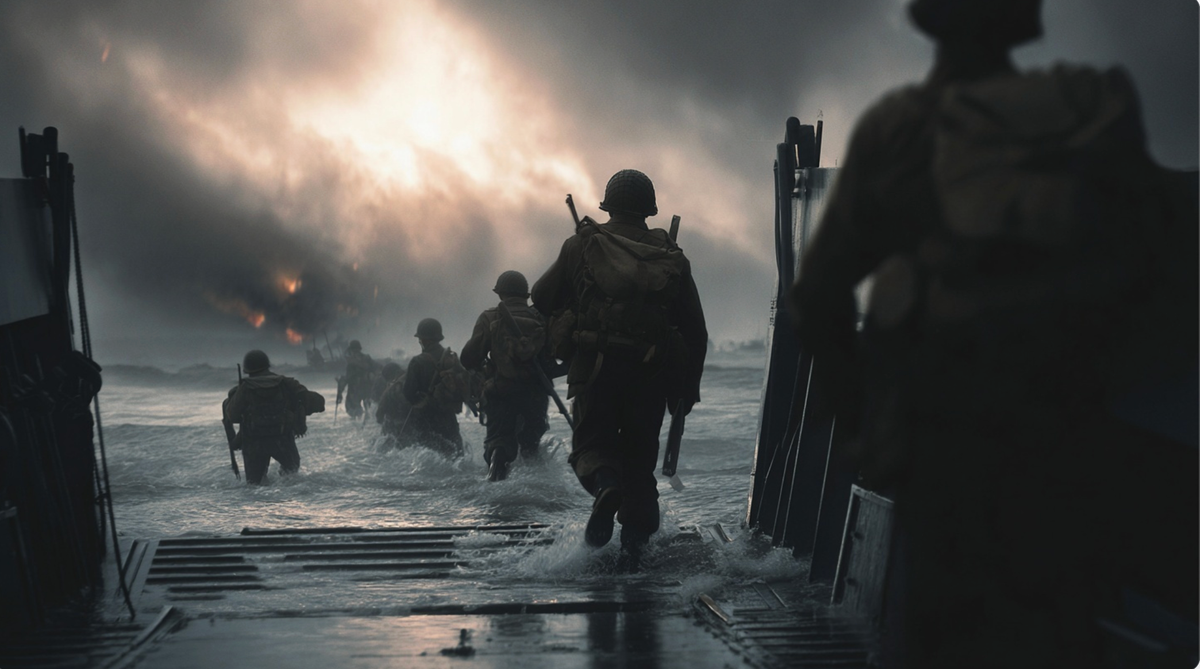
World War One ended in 1918 with Germany defeated, humiliated and economically in big trouble. The peace terms imposed by the victors created the conditions that greatly contributed to an even larger war just twenty years later. World War Two was in some ways a direct continuation, the unfinished business of the first.
How It Started — The Road to 1939
The Treaty of Versailles in 1919 forced Germany to accept full blame for World War One, pay enormous financial reparations, and give up significant territory. The German economy was hurting under the weight of these terms. Unemployment exploded. Political instability followed.
Into this chaos stepped Adolf Hitler and the Nazi Party. Hitler became Chancellor of Germany on January 30, 1933, and quickly dismantled democratic institutions to become the country's absolute ruler. His stated goals were clear from the beginning: rebuild Germany's military power, reclaim lost territory, and expand German dominance across Europe.
The rest of Europe watched and largely did nothing. Britain and France, exhausted and traumatized by World War One, desperately wanted to avoid another war. This policy of allowing Hitler's demands in hopes of preventing war became known as appeasement.
In March 1938 Germany annexed Austria without a shot being fired. In September 1938 Britain and France signed the Munich Agreement, allowing Germany to annex the Sudetenland region of Czechoslovakia in exchange for Hitler's promise of no further territorial demands. Less than six months later Germany occupied the rest of Czechoslovakia anyway.
On August 23, 1939 Germany and the Soviet Union signed the Molotov-Ribbentrop Pact: a non-aggression agreement that secretly divided Eastern Europe into German and Soviet spheres of influence. With his eastern border seemingly secured, Hitler moved his attention west.
On September 1, 1939 Germany invaded Poland. Britain and France, which had guaranteed Polish independence, declared war on Germany two days later. World War Two had begun.
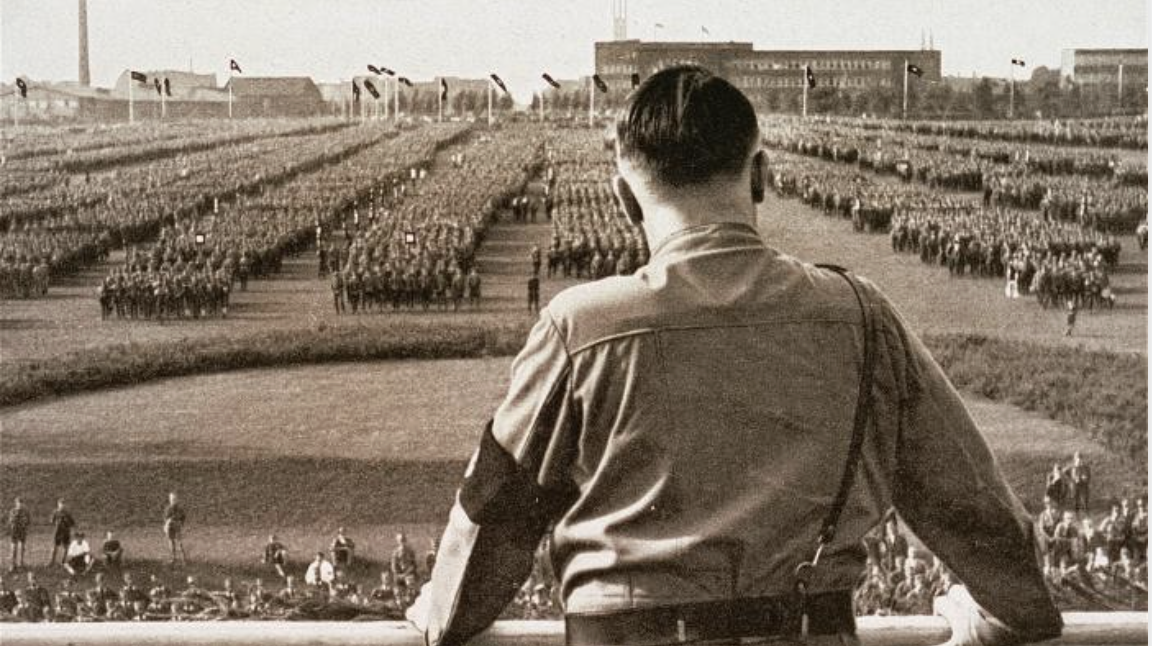
The European War — 1939 to 1941
Poland fell within weeks, divided between Germany from the west and the Soviet Union from the east, according to their pact.
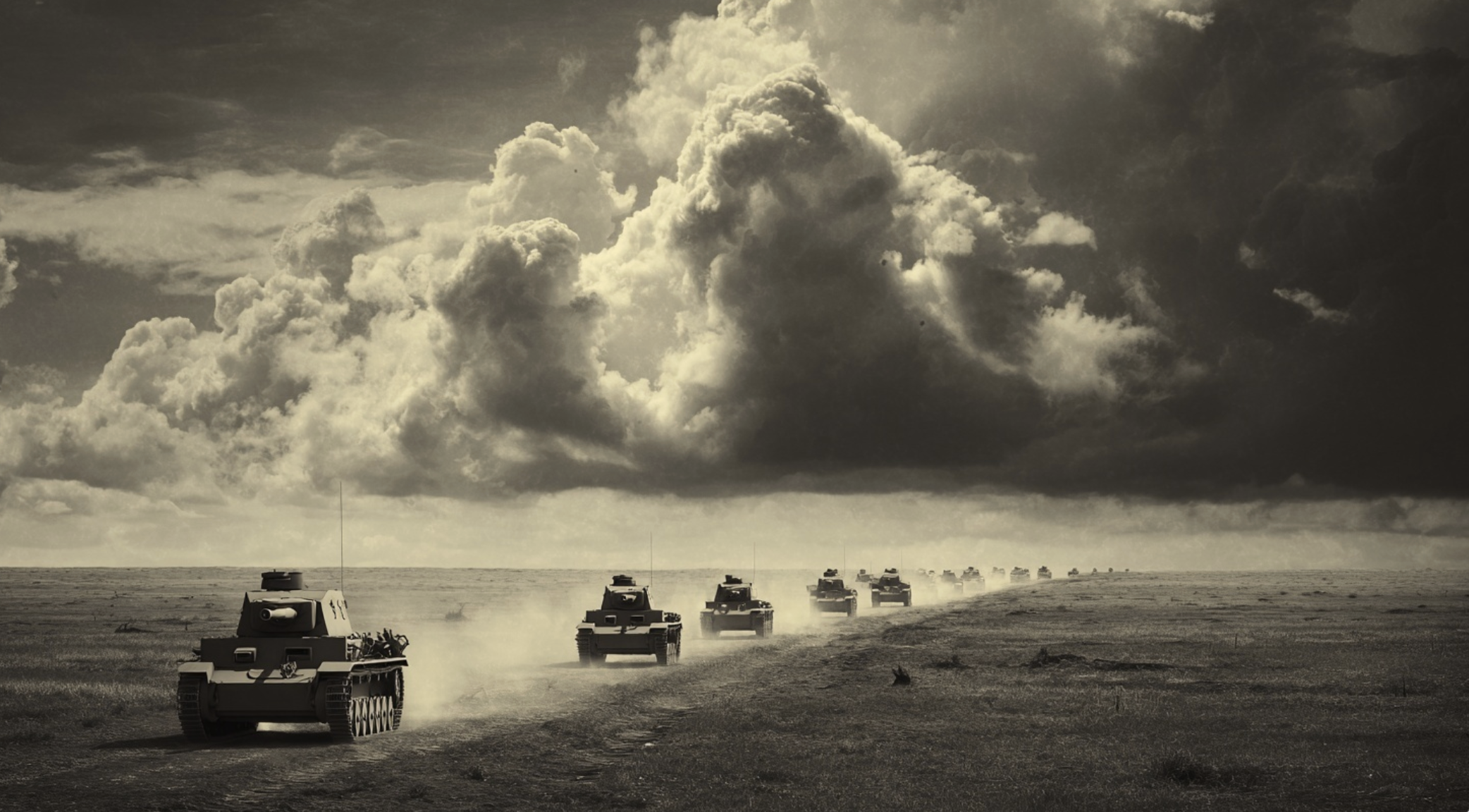
In April 1940 Germany invaded Denmark and Norway. In May 1940 it swept through the Netherlands, Belgium and Luxembourg in days, then deep into France using fast-moving armored columns that bypassed the fixed French defensive line. France, considered one of Europe's great military powers, surrendered on June 22, 1940, just six weeks after the invasion began. Over 330,000 British and Allied troops were evacuated from the beaches of Dunkirk in a desperate rescue operation.
Britain now stood alone. Hitler expected it to seek terms. It did not. Under Prime Minister Winston Churchill, Britain refused to negotiate. Germany launched a massive air campaign, the Battle of Britain, between July and October 1940, attempting to destroy the Royal Air Force and clear the way for an invasion. The RAF held, and the planned invasion was cancelled.
Unable to defeat Britain from the air, Hitler turned east. On June 22, 1941 Germany launched Operation Barbarossa, the largest military invasion in history, attacking the Soviet Union along a front stretching 2,900 kilometers. Over three million German soldiers crossed the border. Hitler expected the Soviet Union to collapse within months. It did not.
The War Goes Global — Pearl Harbor 1941
On the other side of the world Japan had been pursuing its own imperial expansion across Asia and the Pacific throughout the 1930s, occupying parts of China and Southeast Asia. The United States, while not yet in the war, had imposed economic sanctions on Japan in response.
On December 7, 1941 Japan launched a surprise attack on the American naval base at Pearl Harbor, Hawaii, destroying or damaging much of the US Pacific Fleet. The following day the United States declared war on Japan. Three days later Germany and Italy declared war on the United States.
The war was now truly a World War.
The Turning Points — 1942 to 1944
Three battles effectively decided the outcome of the war:
The Battle of Stalingrad — From August 1942 to February 1943, German and Soviet forces fought one of the bloodiest battles in human history in and around the Russian city of Stalingrad. The German Sixth Army was surrounded, cut off and eventually destroyed. An estimated 800,000 Axis soldiers were killed, wounded or captured. Germany never recovered from it on the Eastern Front.
The Battle of El Alamein — In October and November 1942 British forces under General Bernard Montgomery defeated German forces under Rommel in North Africa, ending German ambitions on the continent and opening the path to an Allied invasion of southern Europe.
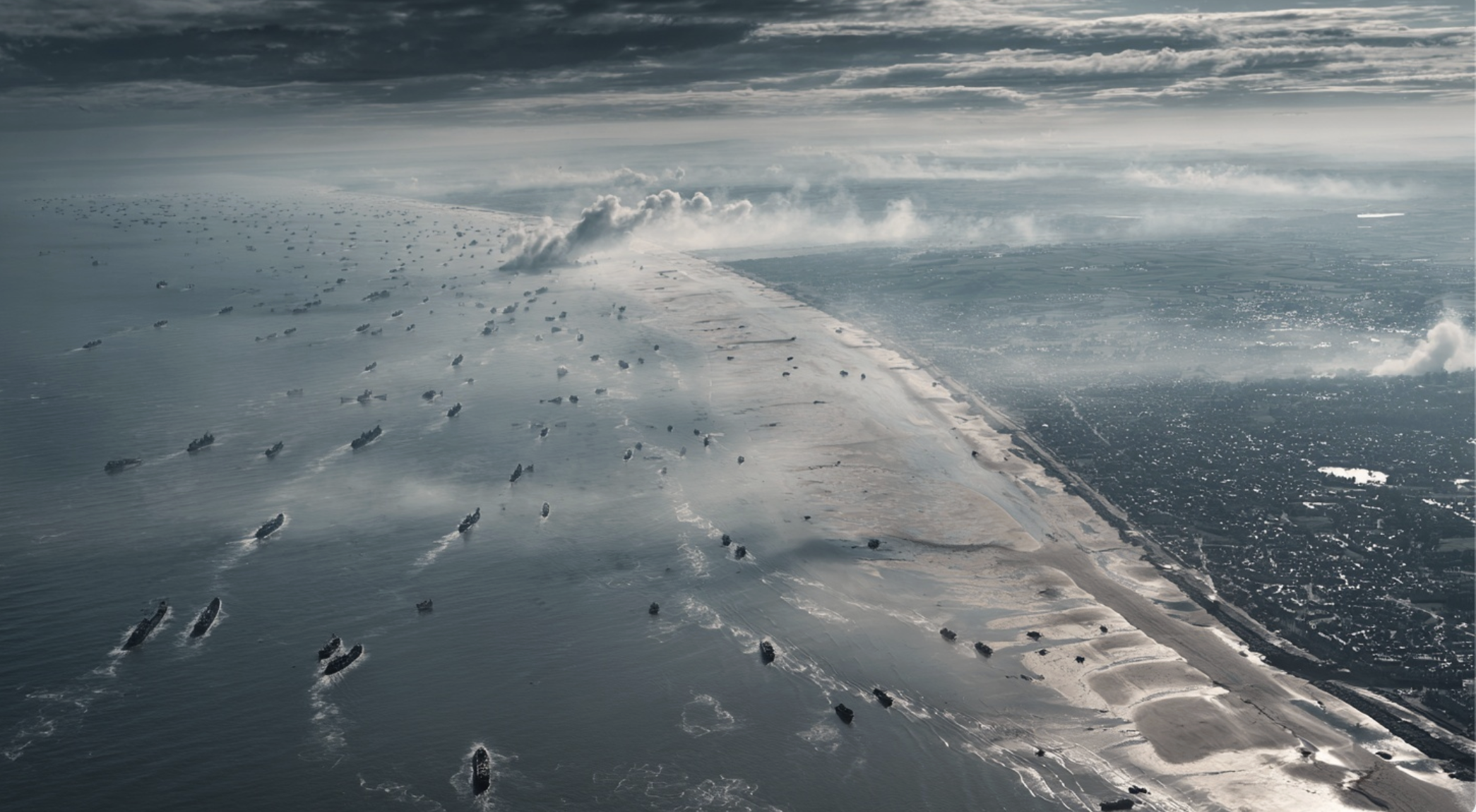
D-Day — On June 6, 1944 the largest seaborne invasion in history landed 156,000 Allied troops on five beaches in Normandy, France. Within months Paris was liberated. Allied forces were advancing toward Germany from the west while Soviet forces pushed from the east.
The End — 1945
By early 1945 Germany was being squeezed from both sides. Soviet forces entered Berlin in April. Hitler died by suicide on April 30, 1945 in his underground bunker beneath the city. Germany surrendered unconditionally on May 8, 1945.
In the Pacific the war continued. Japan fought on despite devastating losses and relentless American bombing of its cities. The US had developed a new weapon — the atomic bomb. On August 6, 1945 the first atomic bomb was dropped on the Japanese city of Hiroshima, killing an estimated 70,000 to 80,000 people instantly. Three days later a second bomb was dropped on Nagasaki. Japan announced its surrender on August 15 and formally signed the surrender documents on September 2, 1945. World War Two was over.
The Holocaust
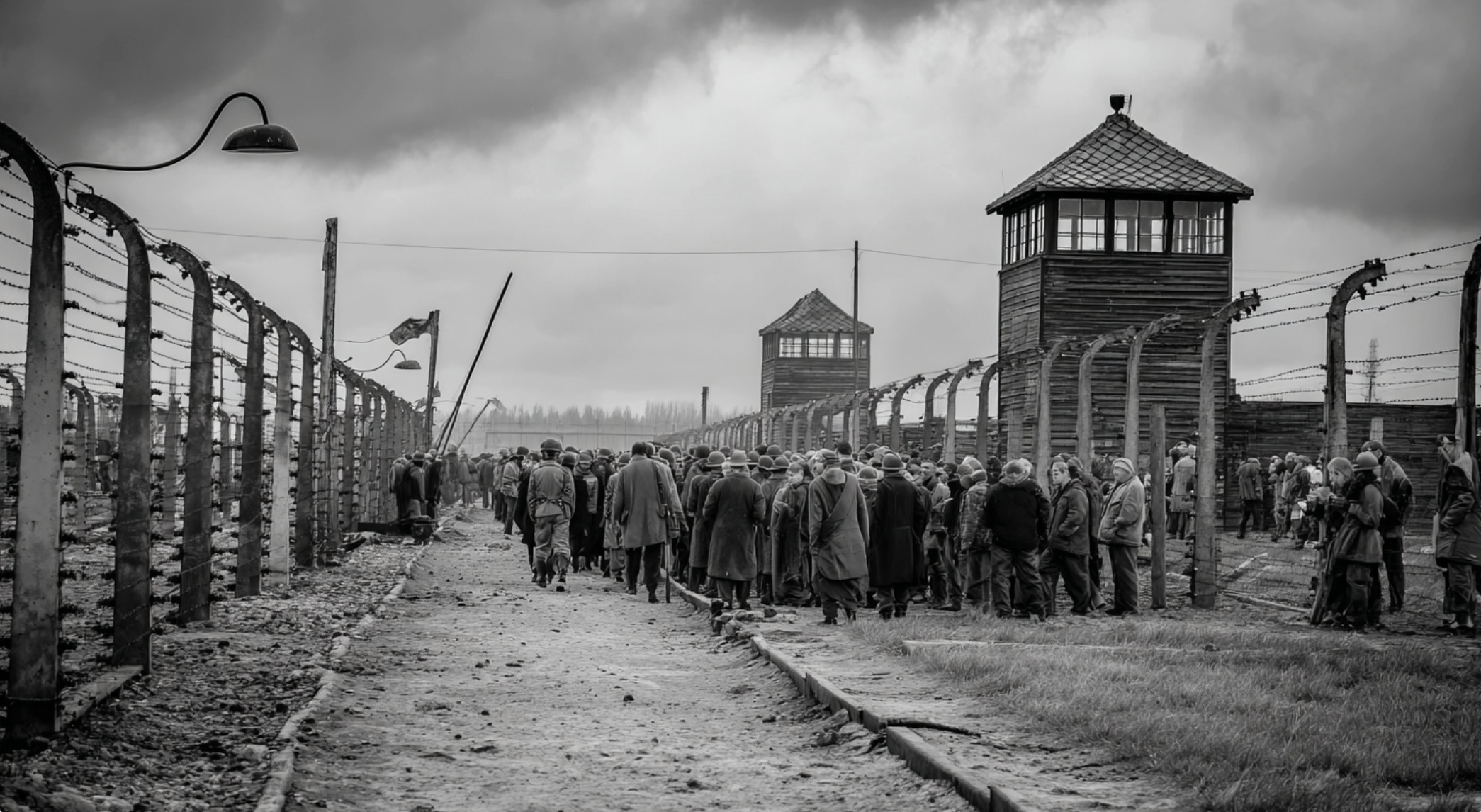
No account of World War Two is complete without addressing one of the biggest tragedies in human history. During the war Nazi Germany systematically murdered approximately six million Jews across occupied Europe in what became known as the Holocaust, alongside millions of others including Roma, disabled people, Soviet prisoners of war and political opponents. The industrialized scale and deliberate nature of this killing was unlike anything in recorded history and remains one of the defining moral events of the twentieth century.
What It Changed
The consequences of World War Two shaped the world we live in today:
The United Nations was founded in 1945 directly as a result of the war. It is the world's attempt to build an institution that could prevent another conflict of this scale. The UN Security Council, with its five permanent members, was designed around the war's victors.
The end of the war immediately resulted in a new rivalry — the Cold War between the United States and the Soviet Union, the two superpowers that emerged from the conflict. Europe lay divided between them for the next 45 years.
The State of Israel was established in 1948, directly shaped by the Holocaust and the international recognition of what the Jewish population had endured.
The use of atomic bombs on Japan opened the nuclear age, the consequences of which the world is still managing today.
The Bottom Line
World War Two was not an accident or an inevitability. It was the direct result of a failed peace settlement, the deliberate choices of one political movement, and the failure of democracies to act until it was too late. It killed an estimated 75 million people: the deadliest conflict in human history. It destroyed empires, created new ones, drew the borders of the modern world and produced the institutions that still govern international relations today. Almost everything in modern geopolitics connects back to it in some way.