What Are Aircraft Carriers - And Why Are They So Powerful?
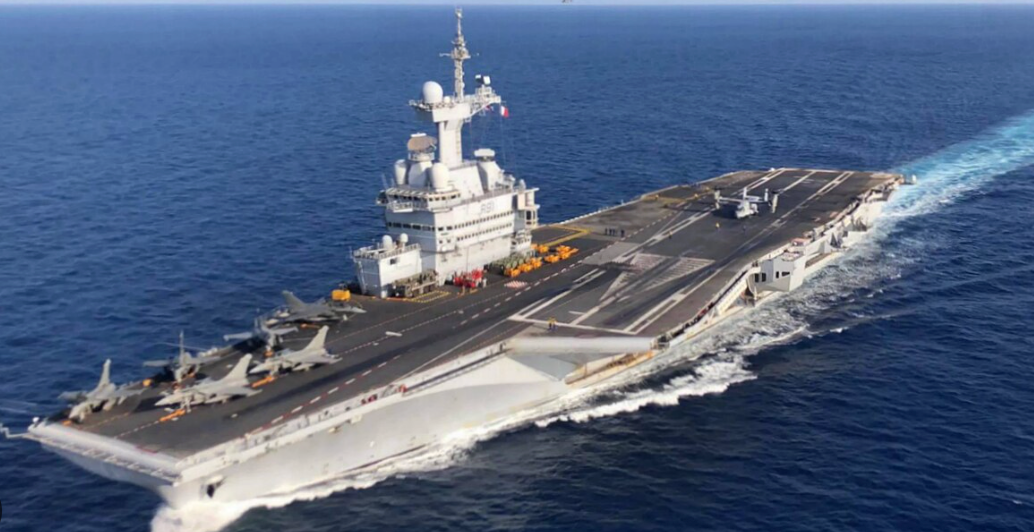
When a crisis or conflict breaks out somewhere in the world, one of the most important questions asked is: "Where are the carriers?", and then mainly the US carriers since those are the most powerful ones. That question alone tells you everything about what an aircraft carrier means in modern geopolitics.
What Is an Aircraft Carrier?
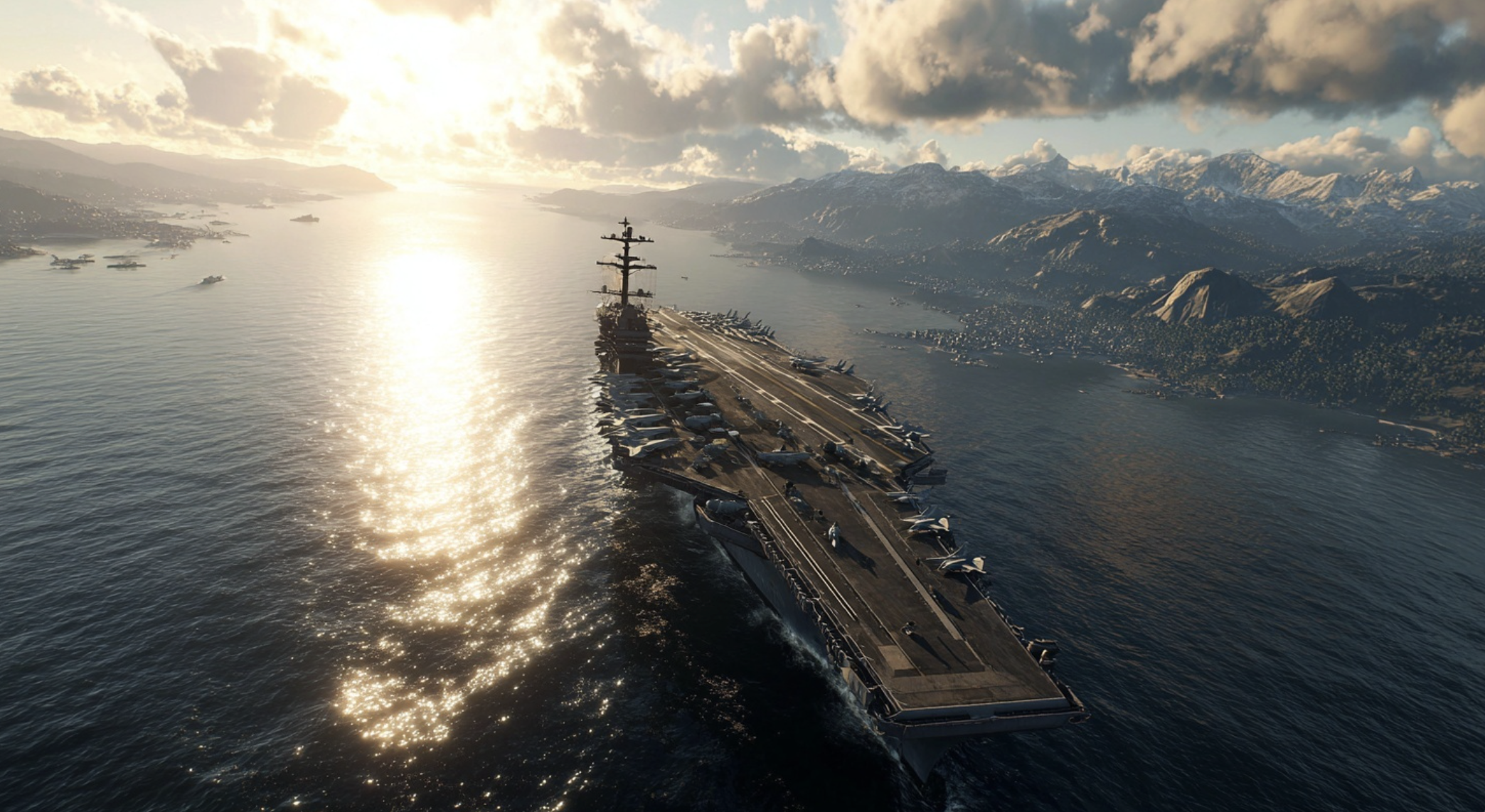
An aircraft carrier is a warship designed to serve as a floating airbase. Its purpose is to carry fighter jets and other aircraft out to sea, allowing a country to project massive air power anywhere in the world without needing a land base nearby.
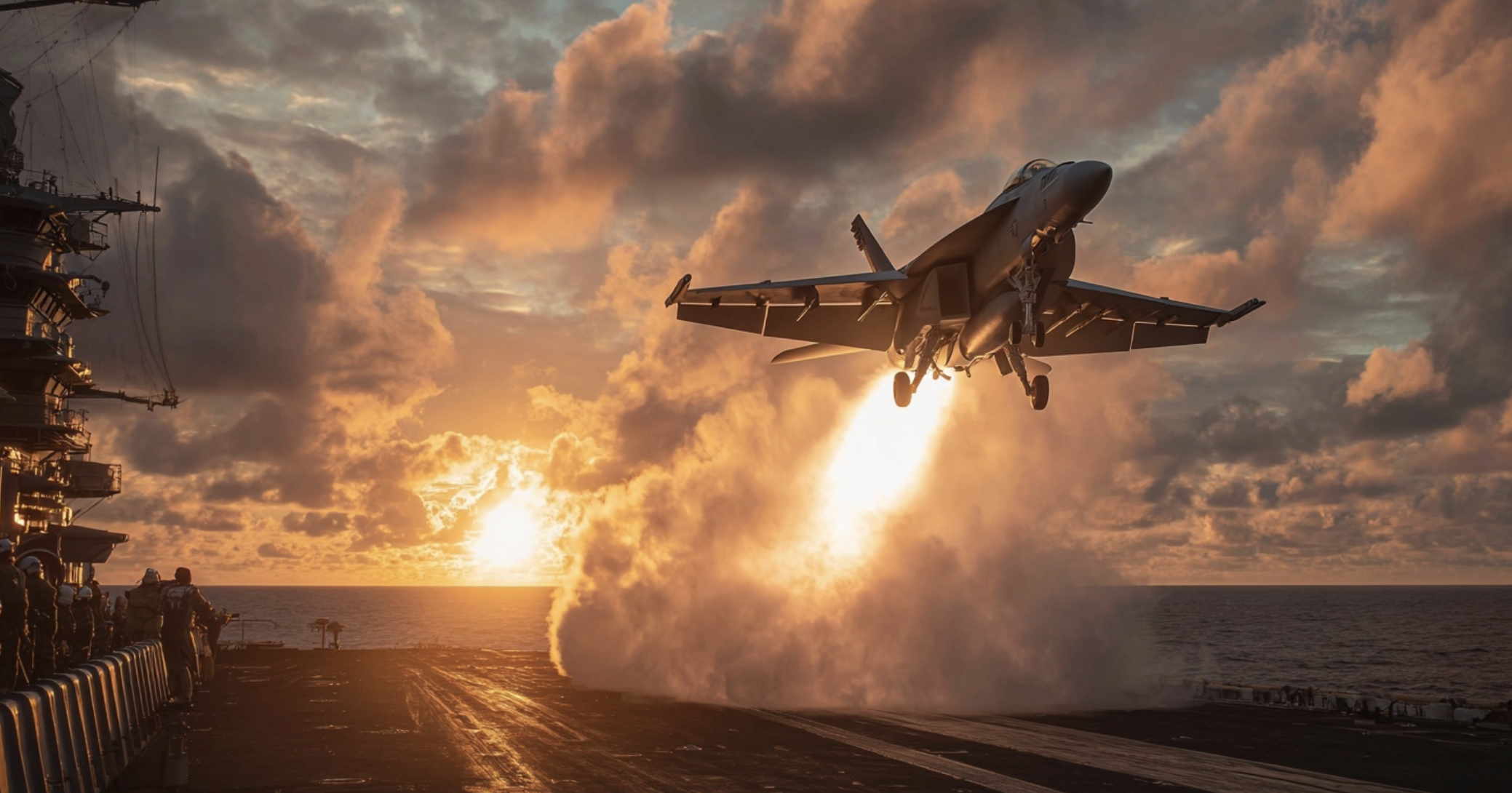
The flight deck, the flat surface on top, functions like a runway at sea. Jets launch from it using either a catapult system that flings them into the air, or a ski-jump like ramp at the bow. Landing back on a moving carrier at sea is considered one of the most difficult skills in all of military aviation. Pilots must hit a landing zone roughly 90 meters long while traveling at over 250 kilometers per hour, catching one of four steel cables stretched across the deck with a tail hook attached to the aircraft. Miss all four wires and the pilot must immediately go to full power and try again.
The Carrier Strike Group — The Full Picture
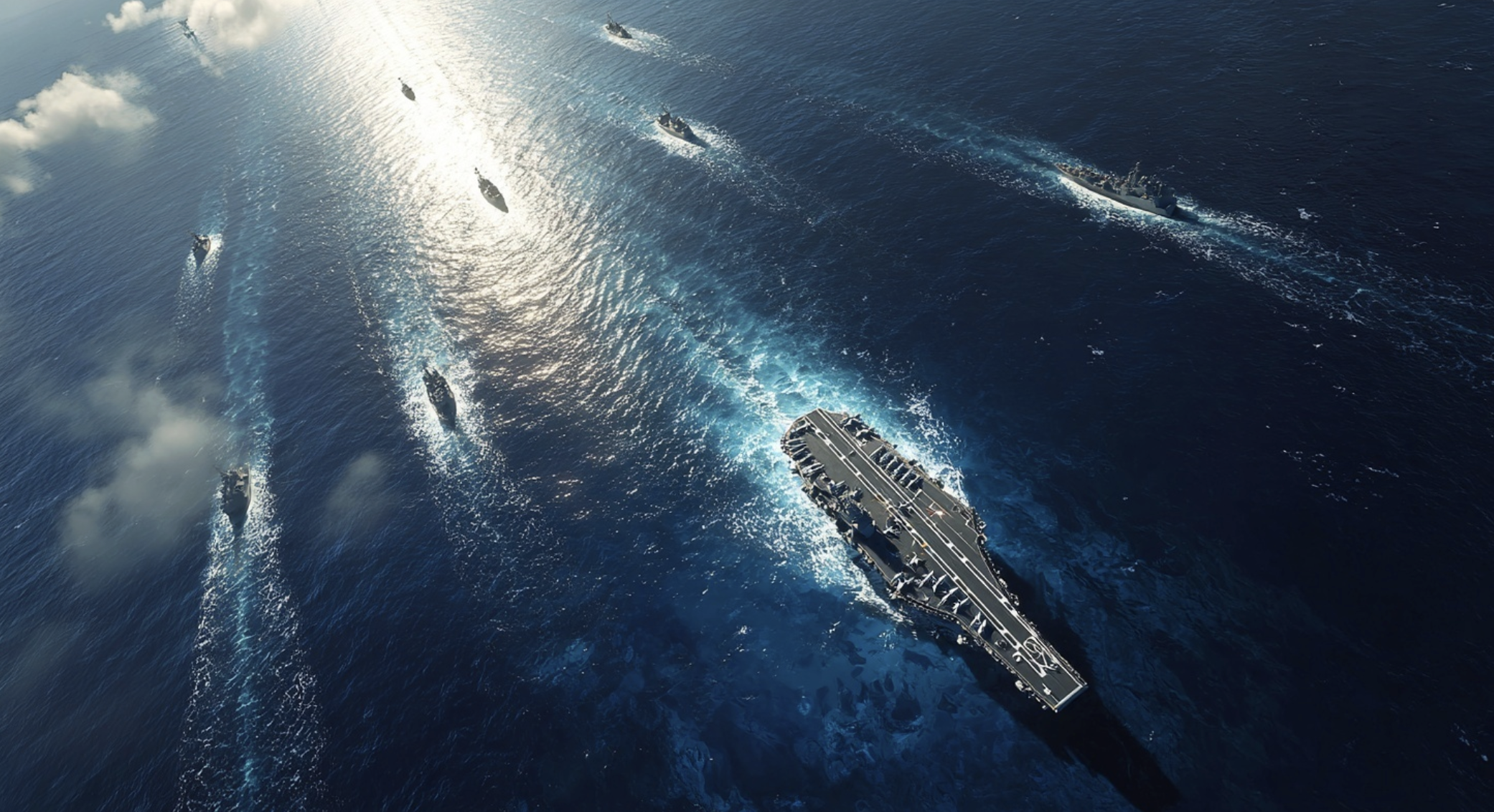
A carrier never sails alone. It moves as the centerpiece of what is called a Carrier Strike Group, one of the most powerful concentrations of military force assembled.
A typical American Carrier Strike Group consists of:
- 1 aircraft carrier — carrying up to 80 aircraft
- 1 or 2 guided missile cruisers — long range air defense and strike capability
- 2 to 3 destroyers — anti-submarine warfare and surface combat
- 1 to 2 attack submarines — operating invisibly beneath the group for anti submarine warfare and intelligence gathering
- 1 supply ship — food, fuel and ammunition resupply at sea
Together this group can project air power over an area the size of a small country, destroy targets hundreds of kilometers inland, defend against incoming missiles and aircraft and hunt for enemy submarines. It can stay at sea for months without returning to a port. It is essentially a mobile military base that can move toward the coast of any country on Earth within days.
Who Has Aircraft Carriers and How Many?
It is important to know that not all aircraft carriers are equally strong. There is a significant gap between a true large deck carrier capable of operating conventional fighter jets and the smaller carriers operated by other nations.
| Country | Number of Carriers | Notes |
|---|---|---|
| United States | 11 | By far the largest and most capable in the world |
| China | 3 | Growing rapidly, fourth under construction |
| United Kingdom | 2 | Large modern carriers, F-35 capable |
| India | 2 | One new, one aging |
| Russia | 1 | Currently out of service for repairs |
| France | 1 | Nuclear powered, second under construction |
| Italy | 2 | Smaller light carriers |
| Japan | 2 | Officially helicopter carriers, being upgraded for F-35s |
| South Korea | 1 | Light carrier, still in planning phase |
| Spain | 1 | Light carrier |
The United States operates 11 carriers, by far the most of every country and also the biggest ones. At any given moment several of them are deployed around the world, with others in port for maintenance or crew training.
Size, Speed and Scale
The numbers involved in a modern supercarrier are almost difficult to comprehend.
The American Nimitz and Gerald R. Ford class carriers, the largest warships ever built, are approximately 333 meters long and 77 meters wide at the flight deck. They carry a crew of roughly 5,000 people, including the air wing, ship's company, and support staff. The ship has its own hospital, dentist, supermarket, barber and many other services. It basically functions as a small self-contained city at sea.
Speed is classified but is estimated at over 55 kilometers per hour, which is remarkably fast for something so big. American nuclear-powered carriers itself do not need to refuel for approximately 20 years, though their aircraft, crew and supplies require regular resupply.
What Does One Cost?
Aircraft carriers are the most expensive conventional weapons ever built.
The USS Gerald R. Ford, cost approximately $13 billion to build, and that is before factoring in the cost of its aircraft, which adds several billion more. Operating a carrier strike group costs the United States an estimated $6.5 million per day. Building one can take almost ten years, and then the crew needs to still be trained to operate it. This is why only the most wealthy, major powers in the world have them and the differences between the largest ones and the more smaller ones are so big.
Why Are They So Important?
An aircraft carrier does something no other weapon can do: It brings a fully operational air force to any point on Earth without asking anyone's permission to use their territory.
Land-based air power requires agreements with neighboring countries, fixed bases that can be located and potentially targeted, and long flight times over maybe hostile territory. A carrier group sits in international waters, beyond any country's borders, and can launch strikes with minimal warning.
This is what military strategists call power projection, the ability to make your military strength felt far from your own shores. It is a defining feature of what separates a global military power from a regional one. A carrier group's mere presence changes the calculation for every government in the region for what it can or might do in a conflict.
Are They Vulnerable?
The one serious debate surrounding aircraft carriers is whether they remain survivable in a modern conflict. Critics point out that advances in long-range anti-ship missiles could threaten even the most defended strike group.
Proponents argue that the layered defenses of a carrier group, combined with submarines and air cover, make a successful strike extremely difficult and expensive. There is no definitive answer because no carrier has been attacked by a modern military since World War II.
What is not debated is their peacetime value. The carrier's greatest power may be what it prevents. Conflicts that never start because a potential enemy looks at a strike group near its shores and recalculates its options.
The Bottom Line
An aircraft carrier is not just a ship. It is a statement of power, of wealth, of capability, and of global reach. It tells the world that a country can fight, and fight hard, anywhere on Earth at short notice. In peacetime it deters. In conflict it dominates. And in a crisis it is almost always the first thing moved into position. That is why when the world's attention turns to a emerging conflict, one of the first question is still: where are the carriers?