Drones in Modern Warfare: The Weapon That Changed Everything
In the early days of Russia's invasion of Ukraine in 2022, a Turkish-made drone called the Bayraktar TB2 became an unlikely symbol of resistance. Videos of it destroying Russian tanks were posted across the internet. Few people at the time understood that this was only the beginning, and that drones would go on to fundamentally change the nature of warfare in ways few anticipated.
Origins: From Spy Plane to Weapon
The concept of an unmanned aircraft is not new. The first basic remotely piloted aircraft were developed during World War One, primarily as flying bombs. The technology remained limited for decades, used mainly for target practice and basic reconnaissance.
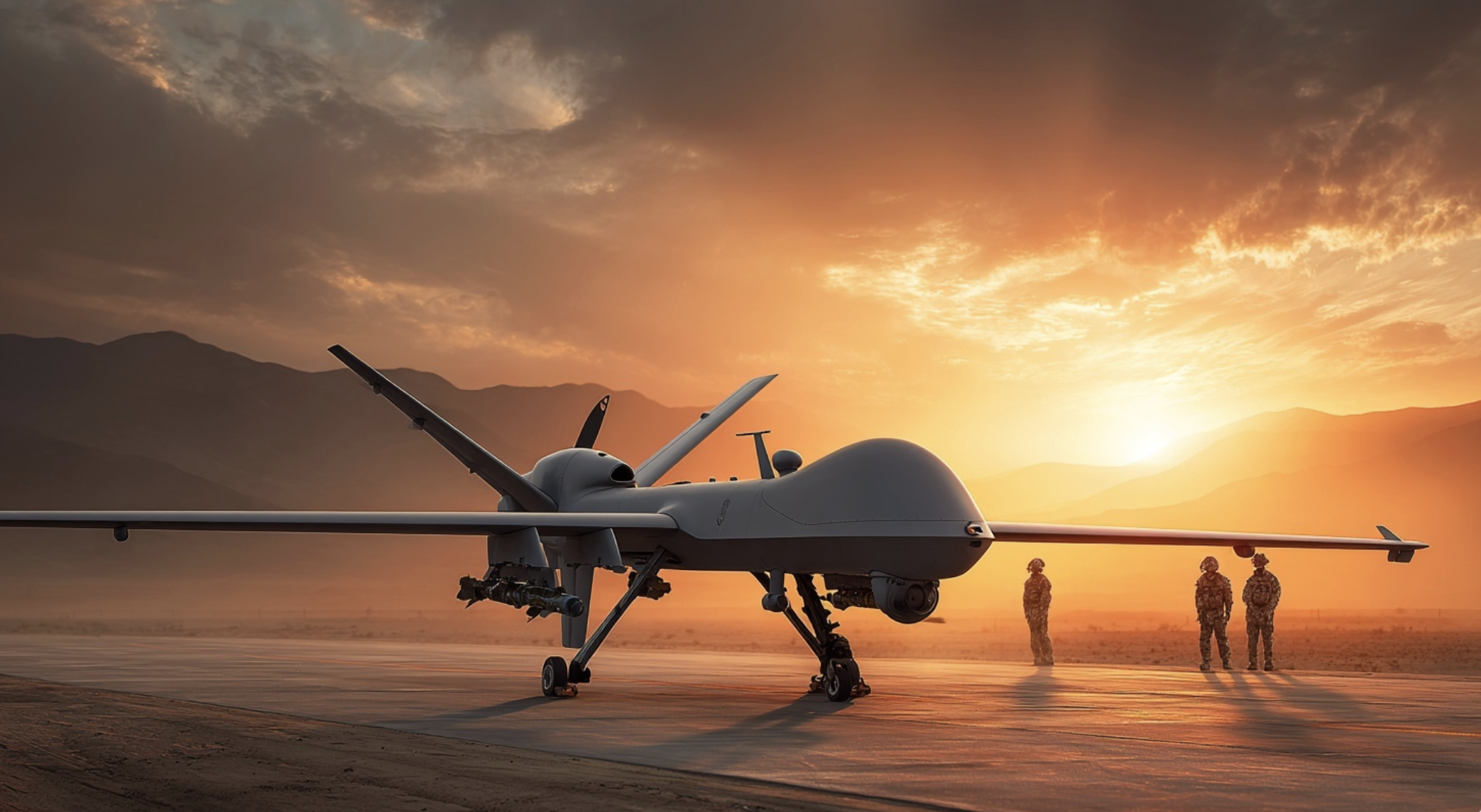
That changed in the 1990s and 2000s, when the United States military began using the Predator drone in the Balkans and later Afghanistan and Iraq. These were large, expensive systems operated by trained military personnel from bases thousands of kilometers away, used initially for surveillance and later armed with missiles for targeted strikes. The drone had become a serious weapon, but it was still the exclusive tool of wealthy military powers.
That exclusivity would not last.
The Rise of the Cheap Drone
The transformation began when commercial drone technology made small, capable unmanned aircraft available to almost anyone for a few hundred dollars. What started as a consumer product for photography and hobbyists turned out to have serious military use.
Military planners quickly understood that a commercially available drone fitted with a grenade or small explosive could perform tasks that previously required expensive aircraft, trained pilots and complex logistics. The barrier to entry for drone warfare had changed.
Israel had been a pioneer in military drone use since the 1970s, deploying them for surveillance and electronic warfare. By the time the Ukraine war began, Israel had developed some of the world's most advanced military drone systems and was a major exporter of the technology.
Iran had also built a significant drone program, developing the Shahed one-way attack drones, essentially cheap flying bombs designed to be produced in large numbers and overwhelm defenses through volume rather than precision. Iran supplied these to Russia in large quantities after 2022, giving Russia a mass-production strike capability it previously lacked.
Ukraine: The World's First Full-Scale Drone War
No conflict has done more to reshape understanding of drone warfare than the war in Ukraine. Many analysts now call it the world's first full-scale drone war, and the speed of development has been extraordinary.
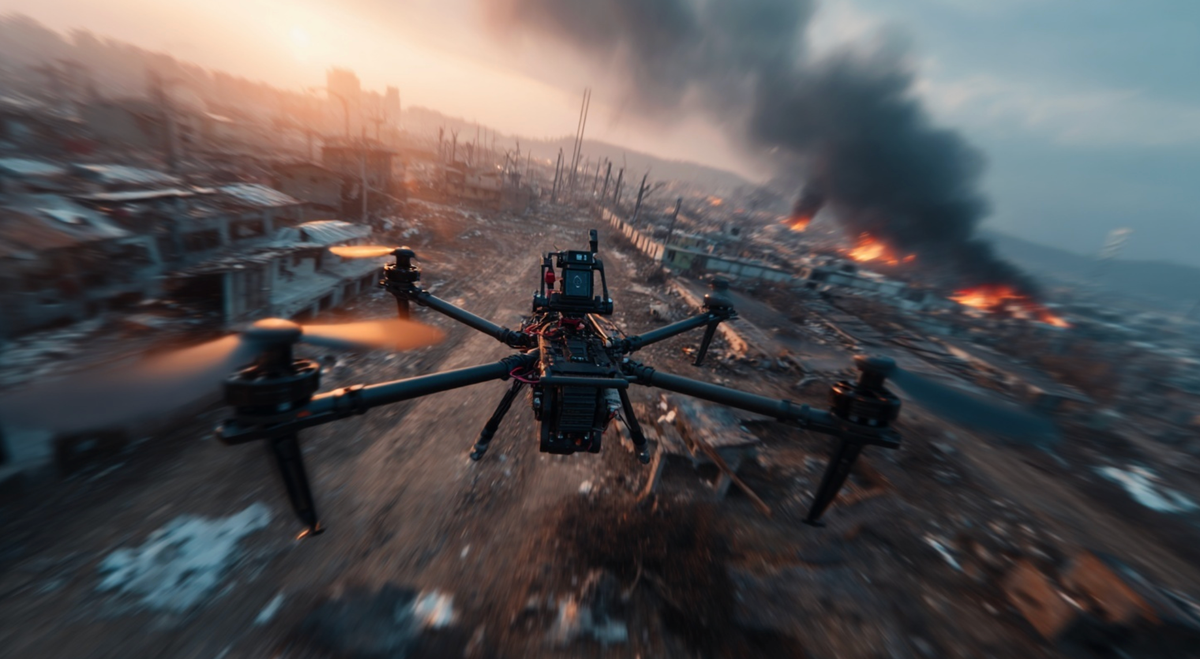
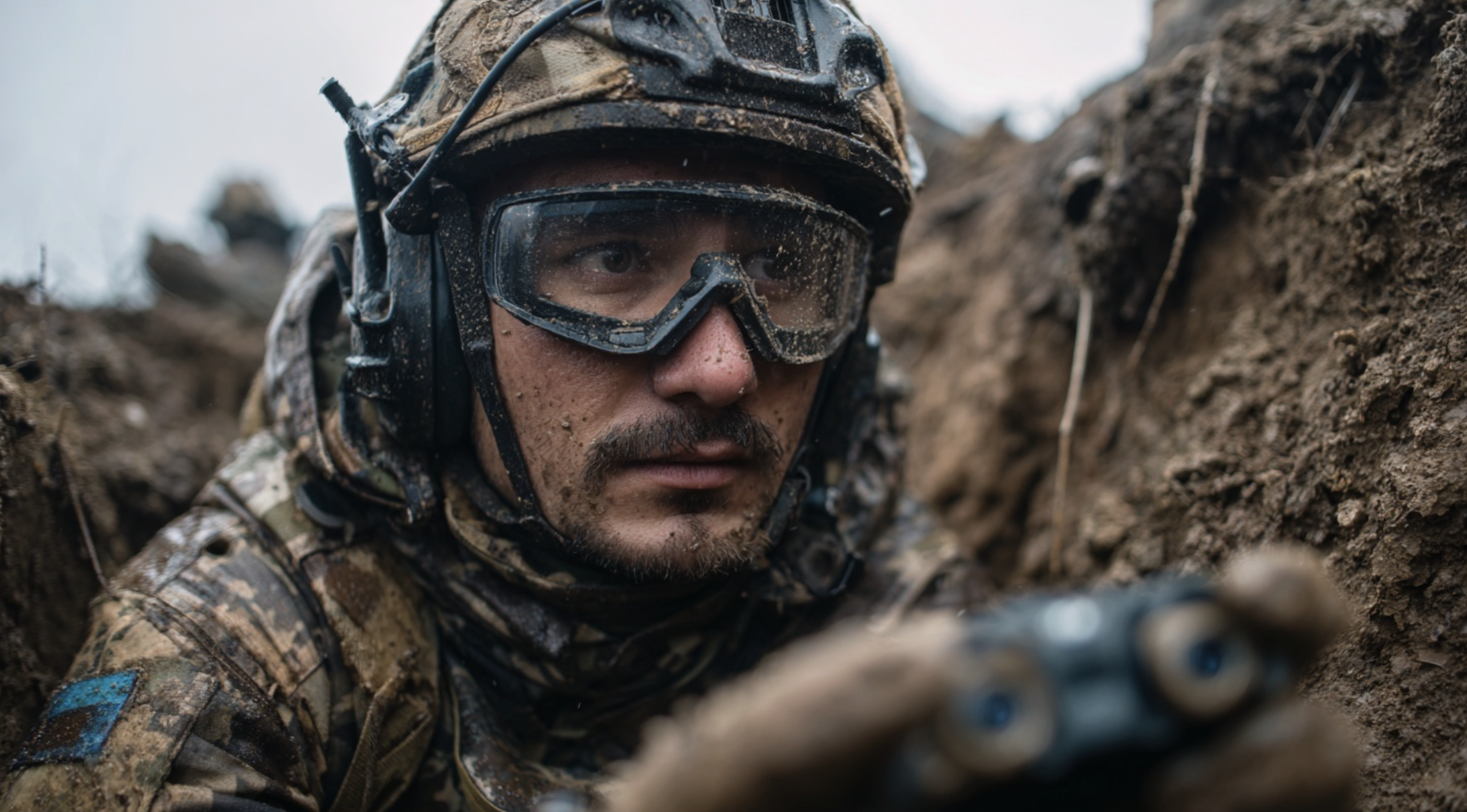
What began with Turkey's Bayraktar TB2 rapidly evolved into something far more complex. By 2023, both sides were deploying large numbers of small FPV drones, short for first-person-view, where an operator wears goggles and flies the drone from a live video feed, guiding it directly into a target at high speed. These cost just a few hundred dollars each and could destroy vehicles worth millions.
By 2024 the mass introduction of FPV drones gave operators a live feed to guide the suicide drone into a single target. The attachment of armor-piercing munitions allowed them to take out heavily armored vehicles, including modern battle tanks.
Ukraine became the first country to create a military branch exclusively dedicated to drone warfare, the Unmanned Systems Forces, in June 2024. Russia followed with its own equivalent in November 2025.
The Different Types
Not all drones are the same. Military drones currently fall into several broad categories:
Large surveillance and strike drones such as the American MQ-9 Reaper or Turkish Bayraktar TB2 are expensive, long-range systems operated from great distances. They carry missiles and precision munitions and can stay airborne for hours. They are the tools of established military powers.
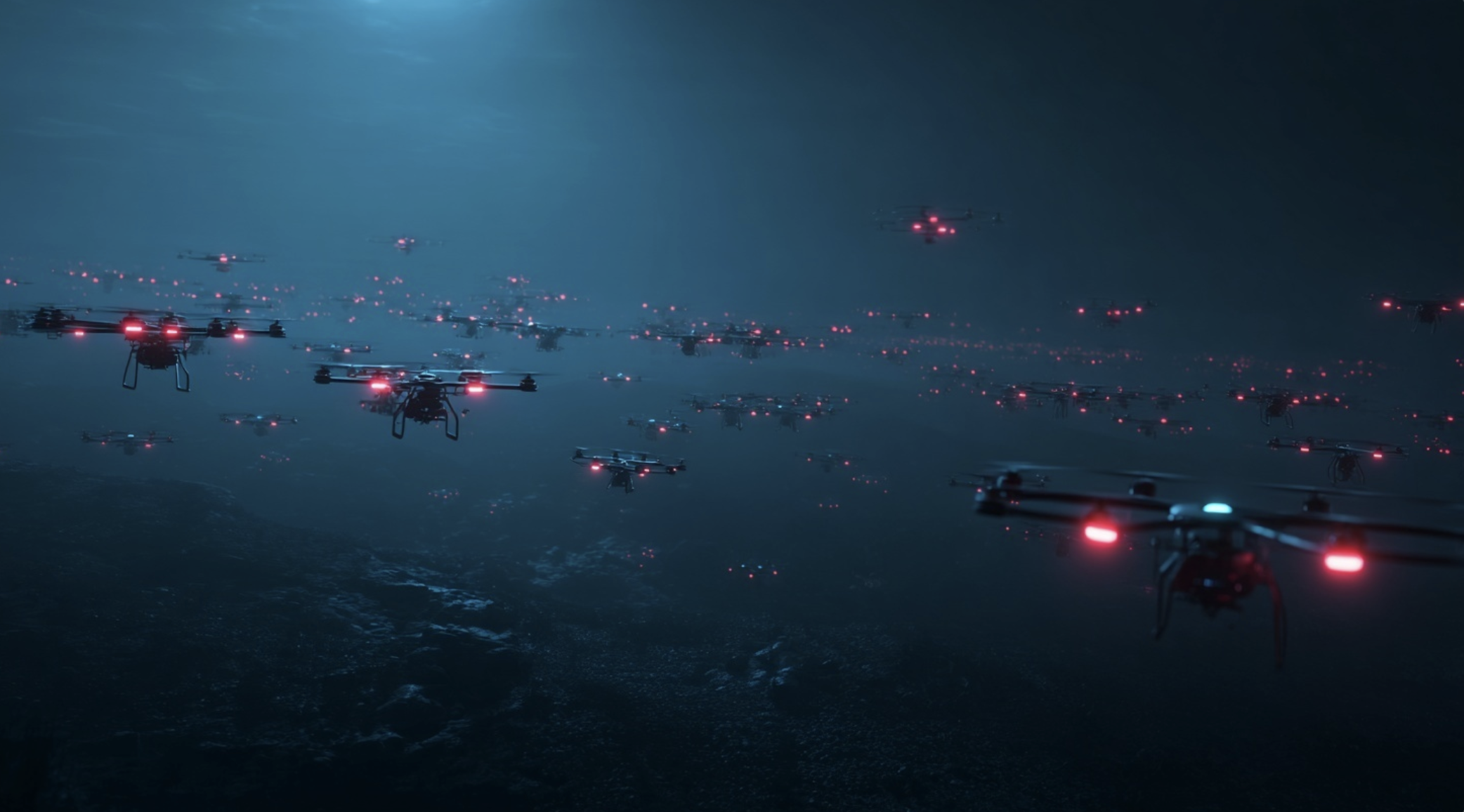
Loitering munitions, sometimes called kamikaze drones or suicide drones, are one-way weapons that circle an area searching for a target before diving into it and detonating. Iran's Shahed, used extensively by Russia in Ukraine, is the most well-known example. They cost a fraction of a conventional missile but can destroy high-value targets.
FPV attack drones are small, fast and cheap. A skilled operator flies them in real time directly into a target. They have become the dominant close-range weapon in Ukraine, used by both sides in enormous numbers.
Reconnaissance drones range from commercial quadcopters used by front-line soldiers to sophisticated high-altitude aircraft. Their primary role is watching: locating enemy positions, directing artillery fire, and monitoring battlefield movement.
Naval drones are an emerging category that Ukraine pioneered out of necessity. Unable to challenge Russia's Black Sea fleet conventionally, Ukraine developed unmanned surface vessels packed with explosives that travel at sea level and are extremely difficult to detect and intercept. Several Russian warships have been damaged or sunk by them.
Strengths and Weaknesses
The appeal of drones is clear: they are cheap, they require no pilot on board, they can be produced quickly and in large numbers, and they give even smaller military forces the ability to strike targets at range.
But drones have significant weaknesses.
Electronic warfare is the drone's greatest vulnerability. Jamming a drone's signal can render it useless or cause it to crash. Both Russia and Ukraine have invested heavily in jamming systems, and the result has been a constant technological cat-and-mouse game.
Weather affects small drones significantly. Wind, rain and cold temperatures reduce range and battery life.
Air defenses designed for missiles can be too expensive to use against cheap drones. Intercepting a drone worth a few hundred dollars with a missile worth hundreds of thousands creates an unsustainable cost imbalance for the defending side.
Since the mass-use of drones is relatively new, it's a field that's constantly evolving.
Costs
The economics of drone warfare have turned traditional military logic upside down.
A single American F-35 fighter jet costs approximately $80 million. An FPV drone costs around $400. A Shahed kamikaze drone costs roughly $20,000 to $50,000 and has destroyed targets worth many times that figure. A Ukrainian naval drone that damaged a Russian warship cost an estimated $250,000, compared to the hundreds of millions of dollars the warship represents.
This cost asymmetry is one of the most significant features of modern drone warfare. It means that even a country with a fraction of an enemy's military budget can inflict serious damage if it produces drones in sufficient numbers.
International Rules: A Legal Vacuum
Drone warfare currently operates in a legal and regulatory environment that has not kept pace with the technology.
Existing international humanitarian law, the body of rules governing how wars are fought, applies to drones as it does to any other weapon. Attacks must distinguish between military targets and civilians, must be proportionate, and must not cause unnecessary suffering. In theory these rules cover drone strikes. In practice, enforcement is extremely difficult.
Several specific issues remain unresolved internationally:
Autonomous targeting is the most contested area. As AI systems increasingly allow drones to identify and engage targets without a human making the final decision, questions arise about accountability when civilians are killed. There is currently no binding international treaty specifically regulating autonomous weapons.
Non-state actors present a further problem. Drones are now used by terrorist groups, militias and criminal organizations. Hamas used commercial drones fitted with explosives during attacks on Israel. Mexican cartels have sent fighters to Ukraine to acquire FPV combat training. No international framework effectively prevents this.
Export controls exist in some countries but are inconsistently applied. The United States restricts exports of advanced military drones under the Missile Technology Control Regime. China, the world's largest producer of commercial drones through DJI, has imposed some export restrictions but remains a major supplier of components used in military systems on both sides of various conflicts.
The UN has debated establishing a treaty on lethal autonomous weapons systems for over a decade without producing binding rules.
The Bottom Line
The drone has fundamentally changed what the battlefield looks like, who can fight effectively on it, and what it costs to do so. A technology that began as a surveillance tool for wealthy militaries is now a mass-produced weapon costing hundreds of dollars that any army, militia or even criminal organization can acquire and use. Ukraine has shown the world what a full-scale drone war looks like. The rest of the world has been watching and learning. The next major conflict will almost certainly be even more defined by them.