World War One — How Did It Actually Start?
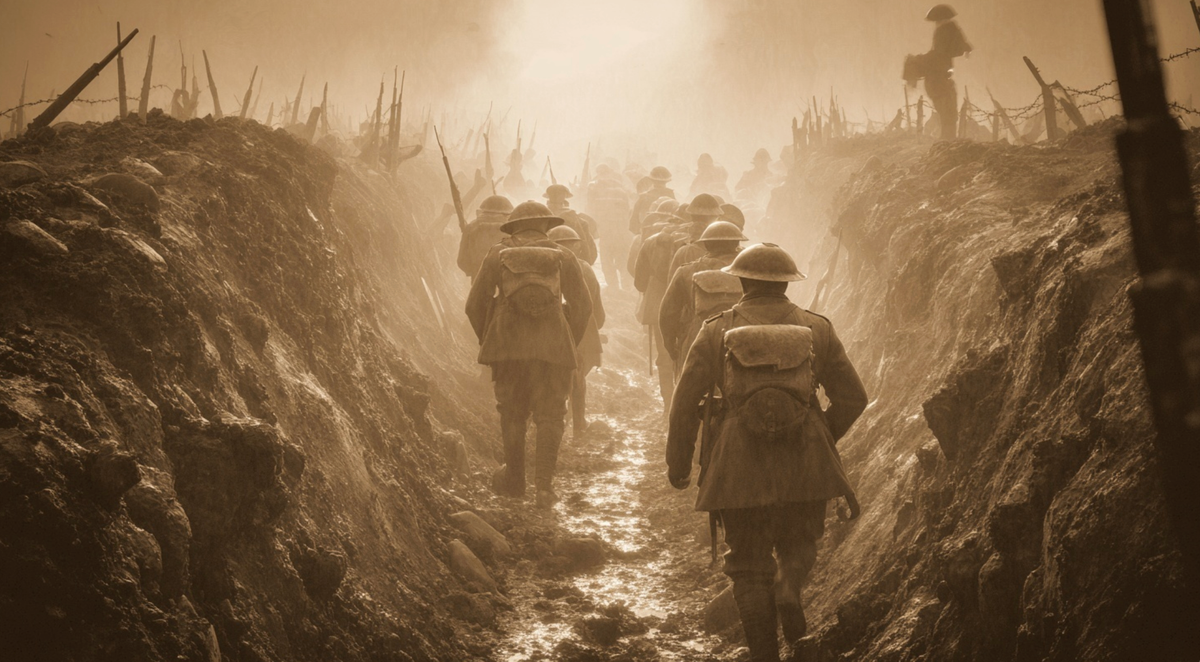
On the morning of June 28, 1914, a nineteen-year-old student fired two shots in a Sarajevo street. Within six weeks, the great powers of Europe were at war. Four years later, 20 million people were dead. Understanding how one assassination resulted in the deadliest war in human history to that date, requires understanding the system of alliances, rivalries between empires and political miscalculations that had been building for decades.
The World Before the Shots
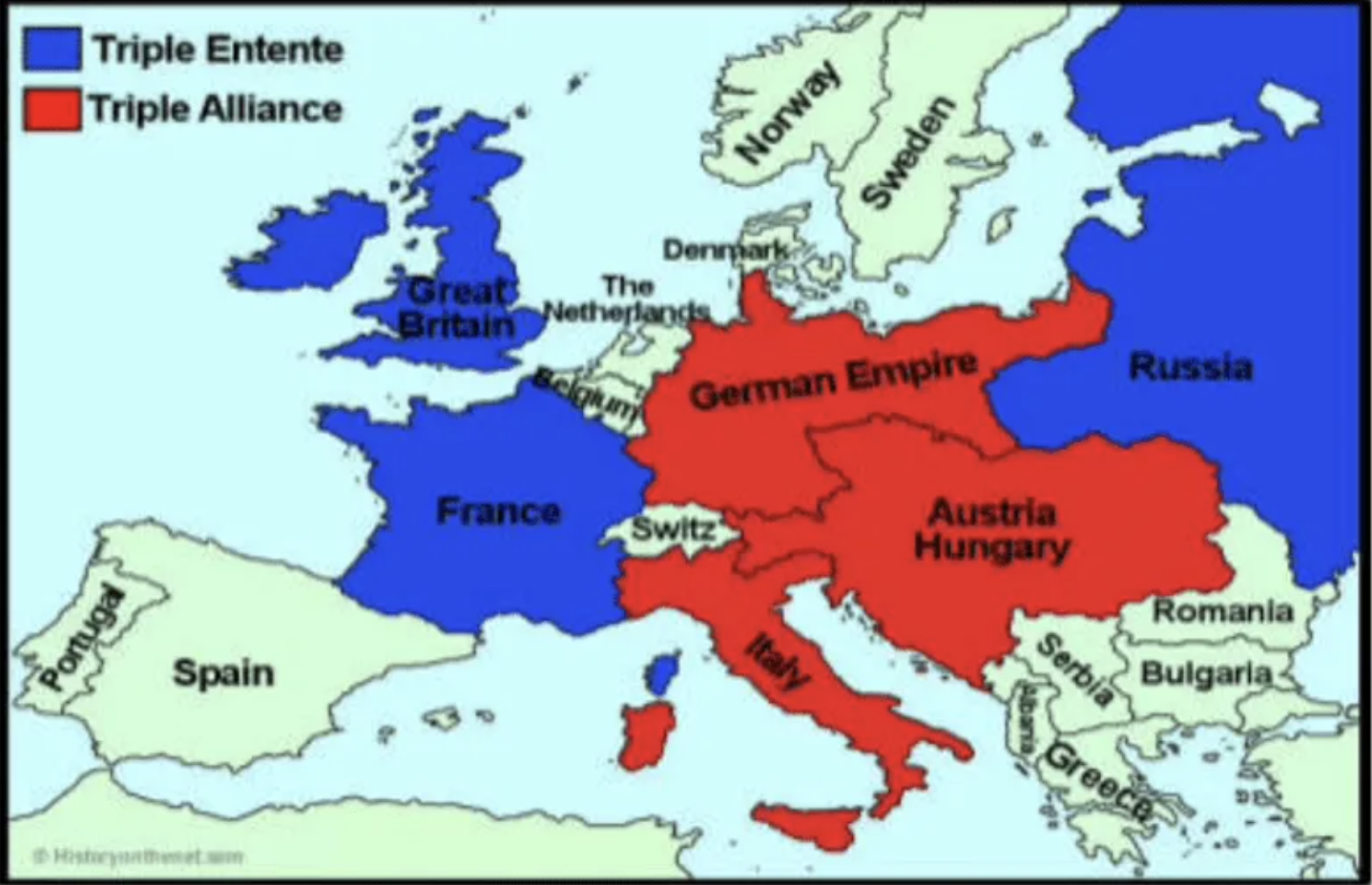
By 1914 Europe was divided into two armed camps that had been preparing for war for years without actually starting one.
On one side stood the Triple Alliance — Germany, Austria-Hungary and Italy. On the other was the Triple Entente — France, Russia and Britain. Both sides had spent years building their militaries, drafting war plans and making treaties and promises to each other that would prove catastrophic once triggered.
The key feature of this system was that every alliance contained automatic commitments. If one country was attacked, its allies were obligated to respond. Europe had essentially built a machine that, once started, was very difficult to stop.
The Assassination
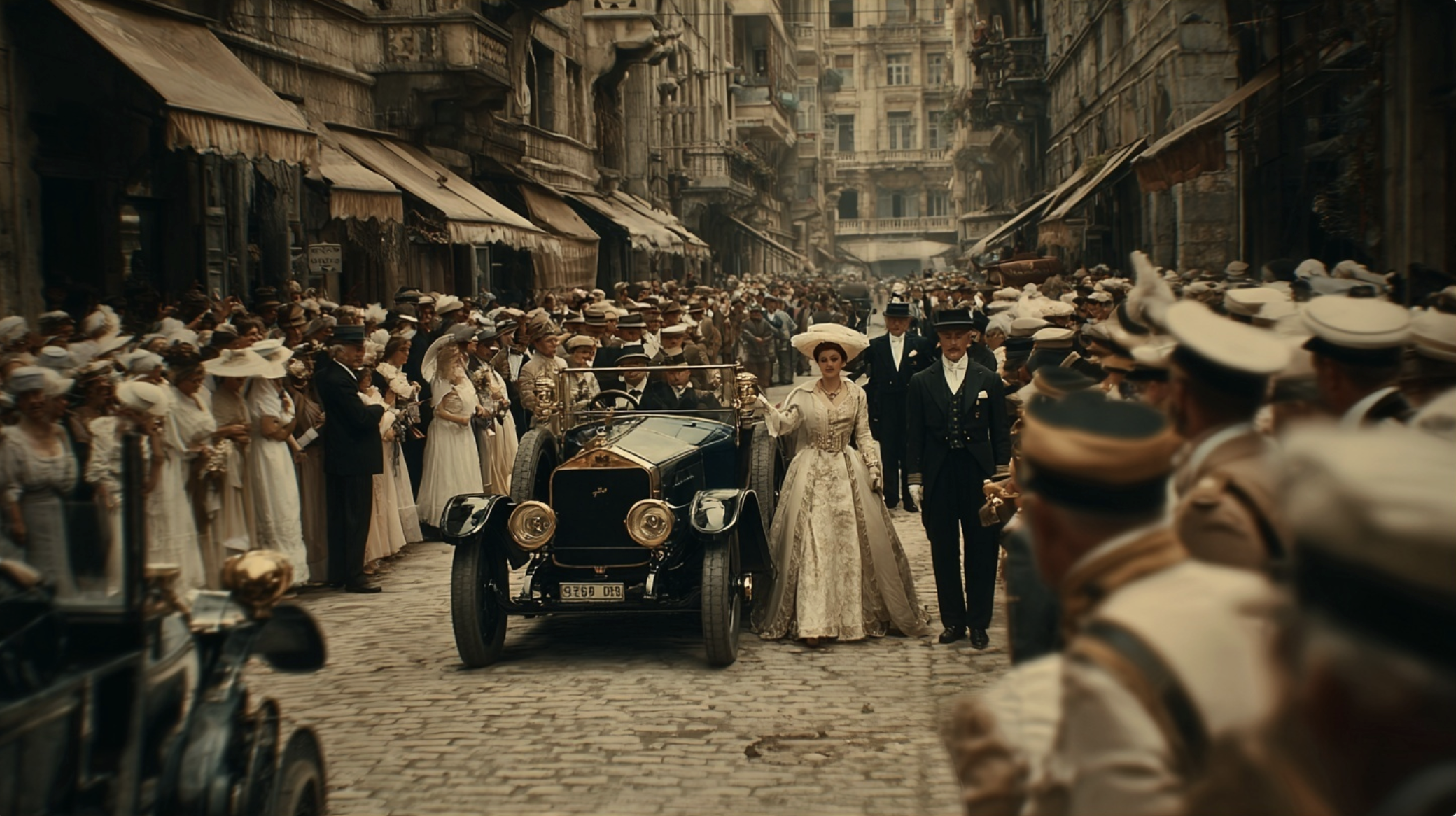
Archduke Franz Ferdinand was the heir to the Austro-Hungarian throne. On June 28, 1914 he was visiting Sarajevo, the capital of Bosnia — a region Austria-Hungary had annexed in 1908, angering many Slavic nationalists who wanted it united with Serbia instead.
A group of Bosnian Serb nationalists called Young Bosnia, connected to a secret Serbian nationalist society known as the Black Hand, had positioned themselves along his motorcade route. An initial assassination attempt with a grenade failed that morning. Later, accidentally, Franz Ferdinand's car took a wrong turn and stopped almost directly in front of one of the conspirators — a nineteen year old named Gavrilo Princip. Princip (later arrested, sentenced to 20 years in jail, but died a couple years later of illness) stepped forward and fired two shots at close range, killing Franz Ferdinand and his wife Sophie.
The assassination alone did not cause World War One. What followed did.
The July Crisis — Six Weeks That Changed the World
What followed the assassination is known to historians as the July Crisis: a sequence of ultimatums, and mobilization orders that each seemed to rationally follow the other, but collectively produced a catastrophe.
July 5-6 — Austria-Hungary, furious and looking for a reason to crush Serbian power in the region, asked Germany whether it could count on German support if it took military action against Serbia. Germany gave what became known as the blank cheque: an unconditional backing for whatever Austria-Hungary chose to do. This was a critical moment. Germany's assurance removed Austria-Hungary's main reason for caution.
July 23 — Austria-Hungary delivered an ultimatum to Serbia containing ten demands, deliberately designed to be too difficult to accept. Serbia was given 48 hours to respond.
July 25 — Serbia accepted nine of the ten demands but rejected one: allowing Austro-Hungarian officials to participate directly in Serbian legal proceedings on Serbian soil, which Serbia considered a violation of its sovereignty. This partial rejection was enough for Austria-Hungary to say that the demands were not met.
July 28 — Austria-Hungary formally declared war on Serbia, exactly one month after the assassination.
July 30 — Russia, which considered itself the protector of Slavic nations and could not afford to let Serbia be crushed without losing all credibility in the region, began full military mobilization.
August 1 — Germany, bound by its alliance and alarmed by Russian mobilization on its eastern border, declared war on Russia.
August 3 — Germany declared war on France, Russia's ally, and immediately put into action the Schlieffen Plan: a long-prepared military strategy that required Germany to knock France out of the war quickly by invading through neutral Belgium before turning to face Russia in the east.
August 4 — Germany invaded Belgium. Britain, which had signed a treaty in 1839 guaranteeing Belgian neutrality, declared war on Germany.
In thirty-seven days, a regional dispute in the Balkans had become a continental war involving all the major European powers.
Why Did No One Stop It?
Several factors made de-escalation nearly impossible once the crisis began.
Military planning had assumed a war would be short. Germany's Schlieffen Plan depended entirely on speed: a fast defeat of France before Russia could fully mobilize. Once Germany began executing it, stopping halfway was considered militarily catastrophic.
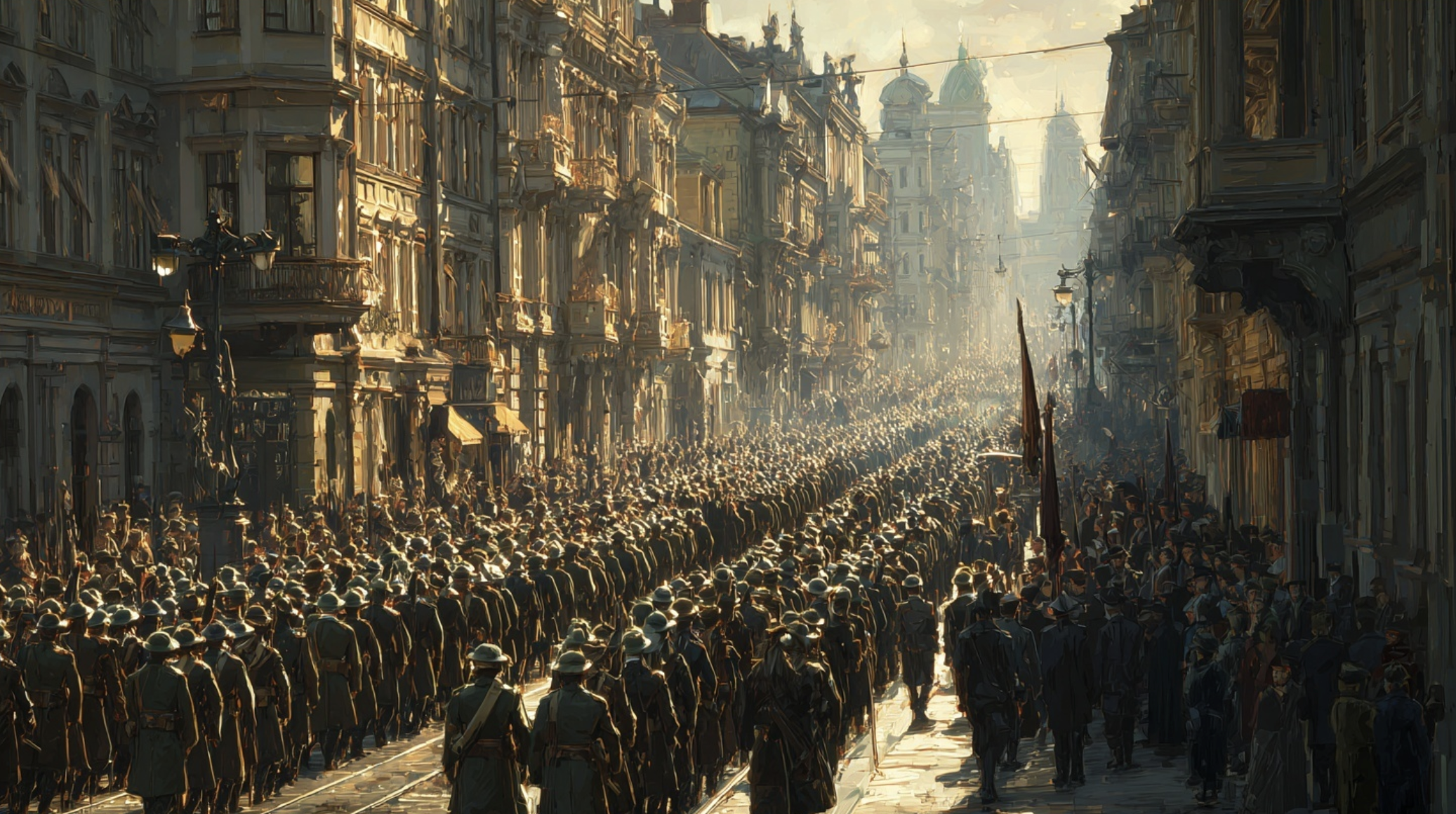
Mobilization itself was almost impossible to reverse. Moving millions of soldiers, horses, artillery pieces and supply trains across a continent according to pre-planned railway timetables was a process that, once started, military commanders warned could not be paused without creating chaos. Political leaders found themselves overtaken by military timelines.
Communication between the major powers was difficult because of a lack of trust, formal and often deliberately misleading. Several leaders later claimed they had not fully understood the consequences of the commitments they were making in those final days of July.
The Scale of What Followed
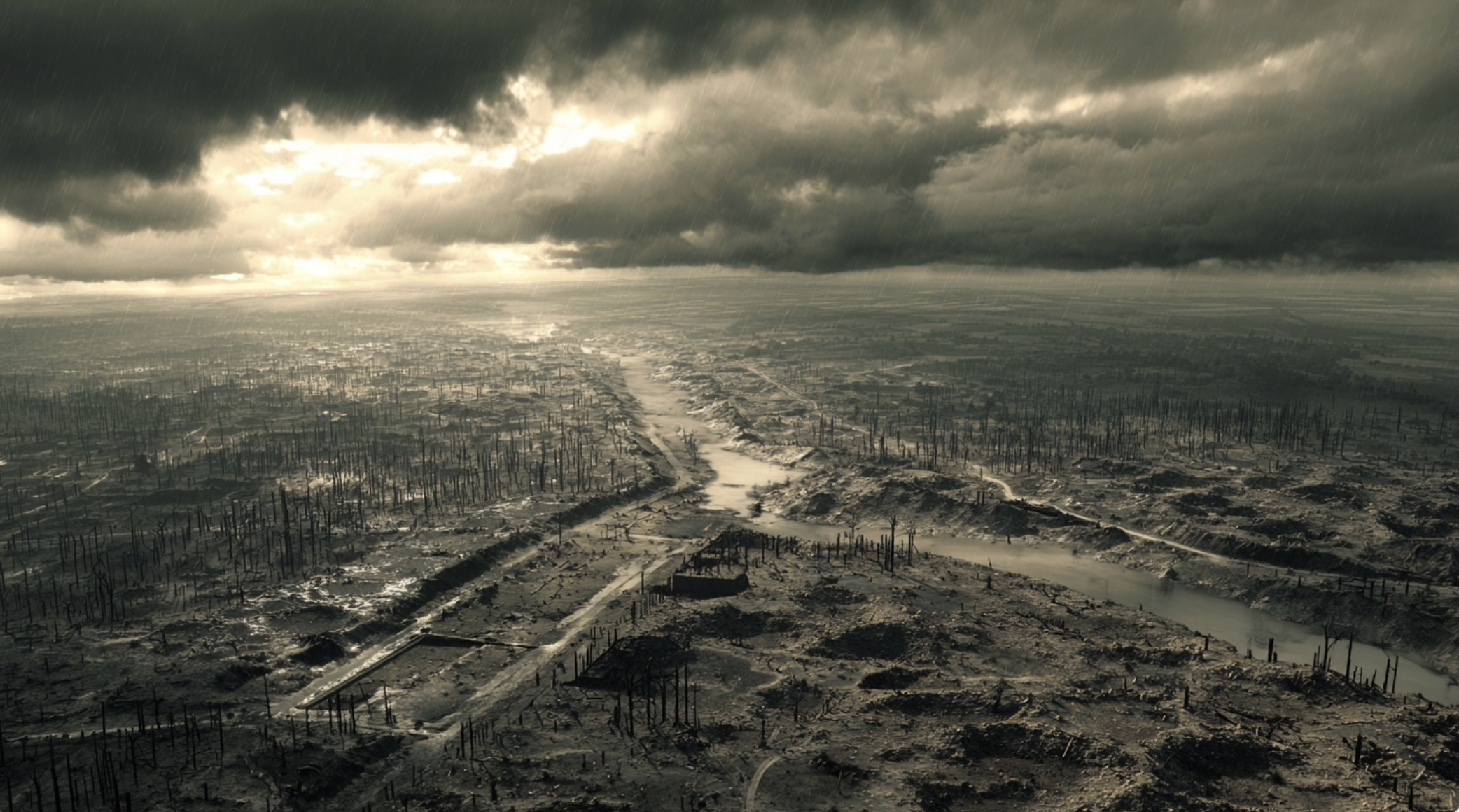
The war that began with two pistol shots in Sarajevo lasted four years and three months. It killed an estimated 20 million people, soldiers and civilians combined. Four major empires collapsed as a result: the Austro-Hungarian, Ottoman, Russian and German empires all ceased to exist by 1918.
The peace settlement that followed, particularly the harsh terms imposed on Germany by the Treaty of Versailles in 1919, created the economic and political conditions that would partially lead to the rise of Adolf Hitler and World War Two twenty years later.
The Bottom Line
World War One did not just start because one man was shot. It started because Europe had built a system so rigid, so committed to automatic responses and military timetables, that a single trigger event was enough to set it all in motion. The assassination was the spark. The alliance system, the blank cheque, the mobilization orders and the Schlieffen Plan were the fuel. None of the major leaders in July 1914 intended to start a war that would kill 20 million people and destroy four empires. Most believed it would be short. They were wrong.