UKMTO: The Small British Office That Watches Over the World's Most Dangerous Shipping Lanes
Every time a news outlet reports that a vessel has been attacked in the Red Sea, the Persian Gulf or the Gulf of Aden, the source is almost always the same: UKMTO. For most readers the name appears, is ignored, and the article moves on. But understanding what UKMTO actually is explains a great deal about how maritime security works and why this small British office has become one of the most quoted sources in international news.
What Is UKMTO?
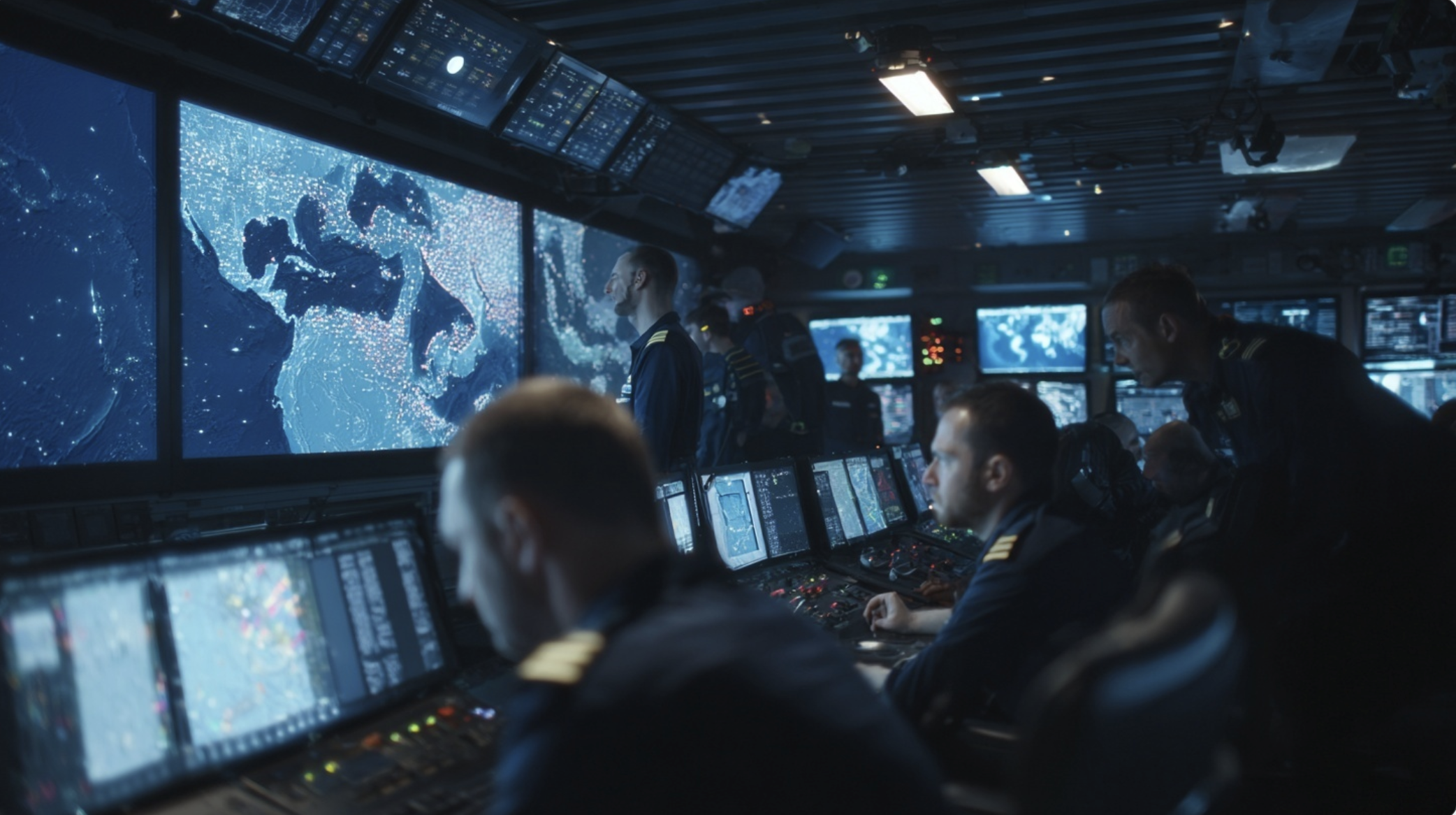
UKMTO stands for United Kingdom Maritime Trade Operations. It is a British Royal Navy sponsored organisation based just outside Portsmouth, England, with a regional office in Dubai. Its operations room runs 24 hours a day, 7 days a week, 365 days a year, staffed by a rotating team of just 18 watchkeepers.
Its core function is straightforward: it acts as the primary point of contact between commercial shipping and military naval forces across a vast area of ocean covering the Red Sea, Gulf of Aden, Arabian Sea, Persian Gulf and wider Indian Ocean region.
Think of it as a maritime emergency call centre, combined with an early warning system for every commercial vessel operating in one of the world's most strategically important stretches of water.
Origins: Built to Fight Piracy
UKMTO was established in the late 1990s, primarily in response to growing piracy threats in the waters around the Horn of Africa and the Indian Ocean. Somali piracy in particular had become a serious problem by the early 2000s, with armed gangs seizing commercial vessels and holding crews hostage for ransom.
Commercial shipping companies needed a single trusted point of contact, someone who could receive incident reports from ship captains, pass requests for assistance to naval forces in the area, and broadcast warnings to other vessels nearby. No such central coordination point existed. UKMTO was built to fill that gap.
It operated what became known as the Voluntary Reporting Scheme, where merchant ships transiting the region would register with UKMTO on entering the area, report their position periodically, and check out on leaving. This created a real-time picture of commercial shipping movements across a vast stretch of ocean, and meant that if a vessel went silent or reported an attack, UKMTO knew exactly where it should be.
Over its first decade the system proved its value repeatedly. When Somali piracy peaked between 2008 and 2012, with hundreds of ships attacked and dozens seized, UKMTO was the coordination hub through which naval responses were organised and warnings were disseminated.
Who Runs and Funds It?
UKMTO is sponsored and funded by the British Royal Navy, making it ultimately a UK Ministry of Defence operation. It is not a commercial organization and does not charge shipping companies for its services.
Its regional office in Dubai exists to maintain direct relationships with the shipping industry and regional maritime authorities in the Gulf states. The Dubai office hosts regular meetings with vessel operators and industry representatives, ensuring that UKMTO's picture of the maritime environment is informed by people with direct commercial experience of the waters it monitors.
Operationally, UKMTO works closely with partner organizations, most notably the Joint Maritime Information Centre, a US-led organization based in Bahrain that provides deeper analytical assessments of incidents. Where UKMTO is the first point of contact and immediate broadcaster of warnings, JMIC provides the more detailed follow-up analysis that shipping companies and naval planners use for longer-term decision making.
What It Actually Does
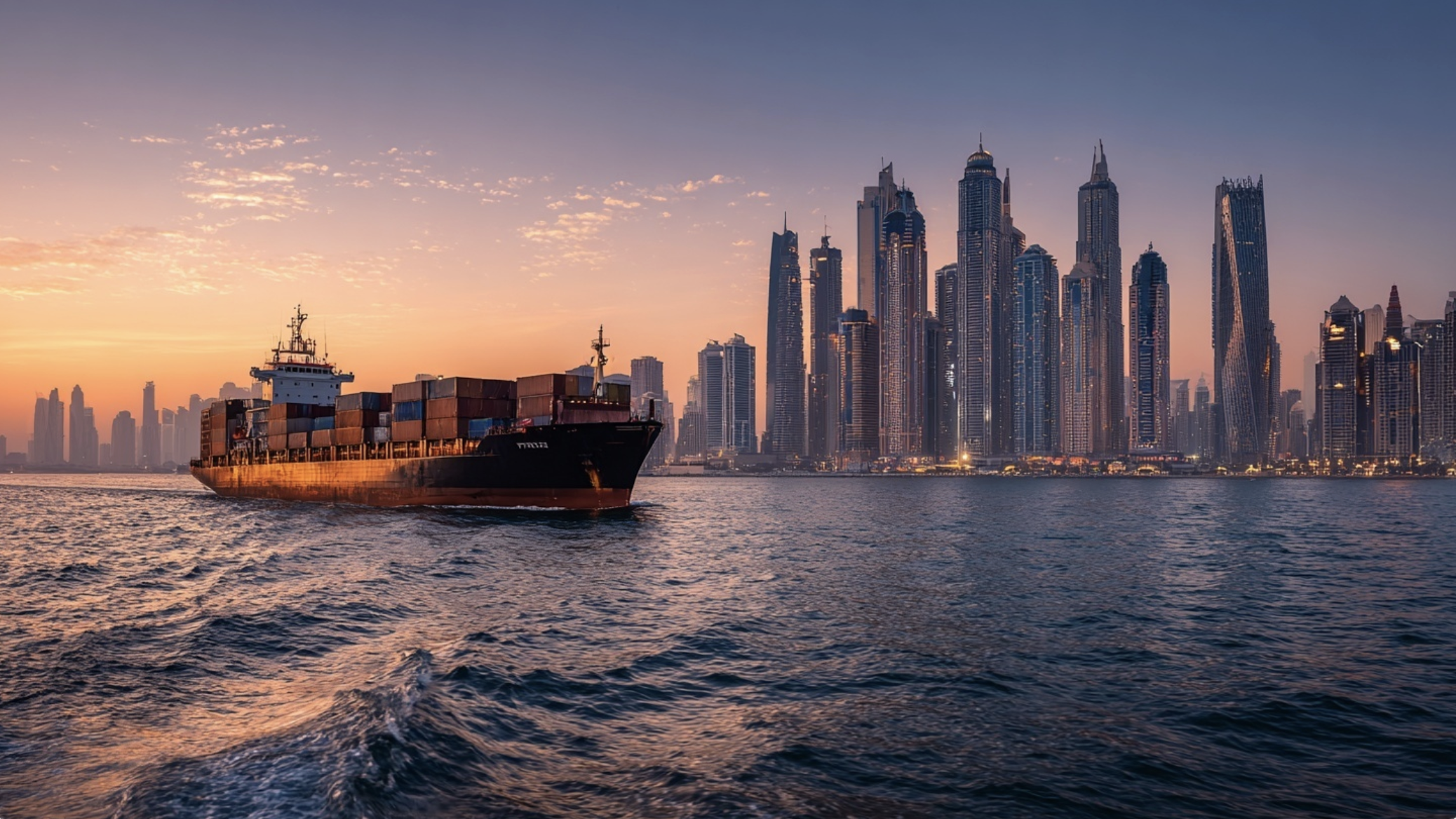
When a ship captain believes his vessel is under attack or has spotted something suspicious, the first call goes to UKMTO. The watchkeeper on duty takes the call, assesses the situation, and can do several things simultaneously: pass the request for military assistance to the appropriate naval forces in the area, issue a broadcast warning to all other vessels in the vicinity, and update the running incident picture for the wider maritime security architecture.
UKMTO publishes these warnings and advisories publicly on its website and social media accounts. This is the direct reason why news organisations cite it so frequently. When UKMTO issues a warning that a vessel has reported being struck by a projectile at a specific set of coordinates in the Red Sea, that report carries several important qualities that make it valuable to journalists: it comes from a credible official military-linked source, it is typically the first public notification of an incident, it gives precise location and time information, and it is available in plain language without the need to navigate classified military communications.
In short, UKMTO is the public-facing broadcaster of maritime security incidents across a region that has been in constant crisis since late 2023.
Why It Became So Important After 2023
UKMTO spent its first two decades dealing primarily with piracy and occasional regional tensions. That changed dramatically in November 2023 when Yemen's Houthi movement, following the outbreak of the Gaza war, began launching drone and missile attacks against commercial shipping in the Red Sea and Gulf of Aden, targeting vessels it claimed were linked to Israel or its allies.
The volume of incidents UKMTO was handling increased sharply almost overnight. Attacks with drones, missiles and unmanned surface vessels became a near-daily occurrence. Shipping companies began rerouting vessels around the Cape of Good Hope rather than through the Suez Canal, adding weeks and significant cost to voyages.
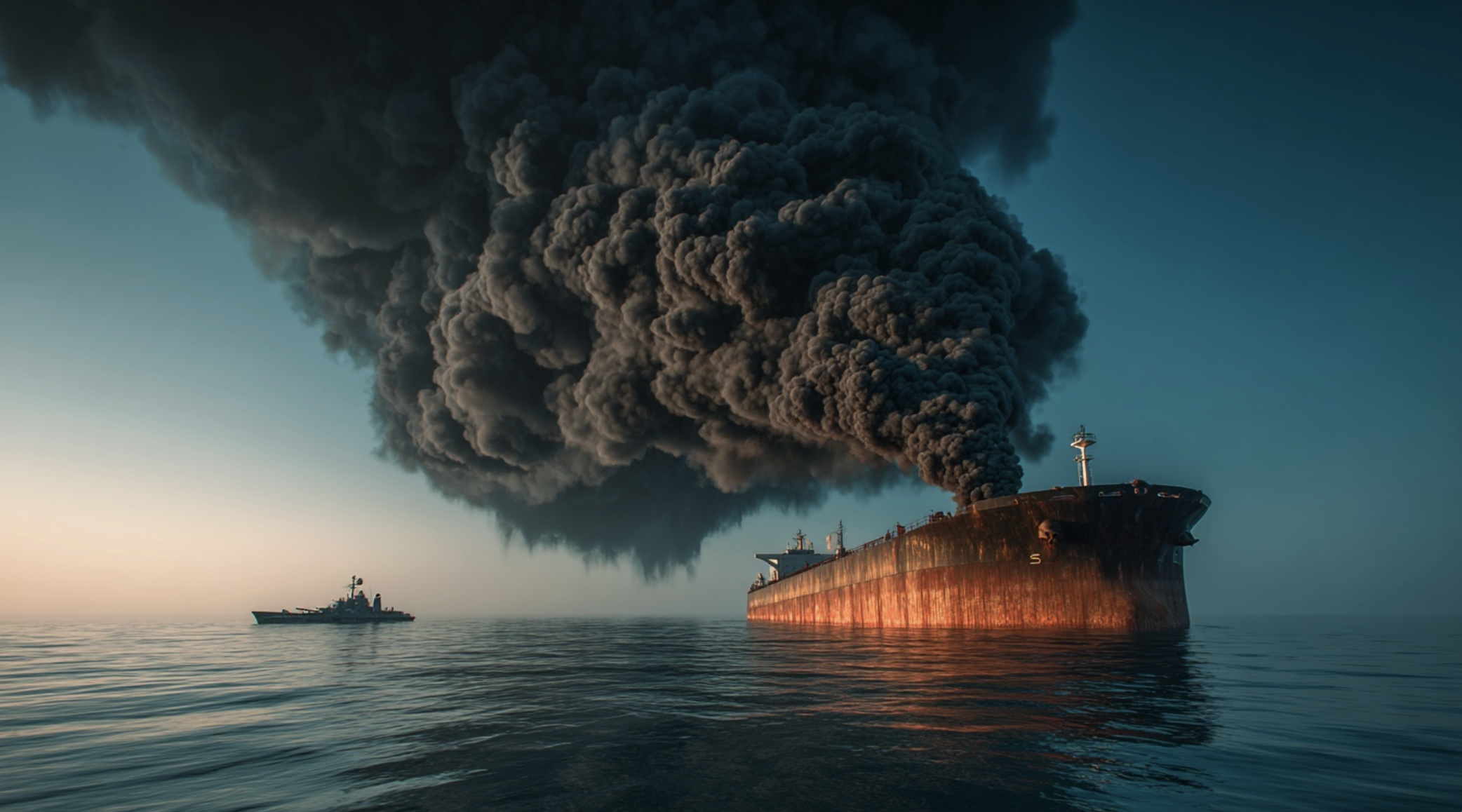
Then in early 2026 the situation escalated further when, following US and Israeli strikes on Iran, Iranian forces began threatening and attacking vessels in the Persian Gulf and around the Strait of Hormuz. UKMTO reported over a dozen attacks on shipping in and around the strait in the first days of hostilities alone. Every major news organisation covering the crisis was citing UKMTO reports as their primary source for each new incident.
The Voluntary Reporting Area
UKMTO's formal area of responsibility is defined by what it calls the Voluntary Reporting Area, a vast zone covering roughly 2.5 million square miles of ocean. It takes in the Red Sea, Gulf of Aden, Gulf of Oman, Persian Gulf, Arabian Sea and much of the northwestern Indian Ocean.
Ships transiting this area are strongly encouraged, though not legally required, to register with UKMTO at entry, report their position at regular intervals, and notify UKMTO on exit. Compliance among commercial operators is high, partly because the system is free and practical, and partly because having UKMTO aware of your vessel's position is a form of insurance: if something goes wrong, someone with military contacts and regional awareness already knows where you are.
UKMTO also covers the Gulf of Guinea off West Africa, in partnership with a French equivalent organization called MDAT-GoG, reflecting how the model it developed for the Indian Ocean region has been extended to other high-risk maritime zones.
Why News Organizations Trust It
Several features make UKMTO the go-to source for maritime incident reporting.
It is independent of any direct commercial or political interest. Unlike a shipping company or a government ministry with reputational concerns, UKMTO's function is purely to report and warn. It has no incentive to exaggerate or downplay incidents.
It is fast. Because vessels under attack call UKMTO directly, and because UKMTO publishes warnings within minutes of receiving credible reports, it is almost always ahead of any other source. By the time a government issues a statement or a news agency's correspondent files a report, UKMTO has often already published the raw incident details.
It is consistent. UKMTO uses standardized language and formats for its advisories, making them easy to understand and cross-reference. Journalists covering maritime security learn quickly how to read a UKMTO report and what the different warning levels mean.
The Bottom Line
UKMTO is one of those organizations that most people have never heard of until a crisis puts it in every headline. Eighteen watchkeepers in a building near Portsmouth, running a phone line and a website, providing a service that keeps the arteries of global trade slightly safer and considerably better monitored. When ships are being attacked in waters that carry a fifth of the world's oil, that small office in Portsmouth becomes one of the most important sources of information on Earth.