What Is The United Nations Security Council?
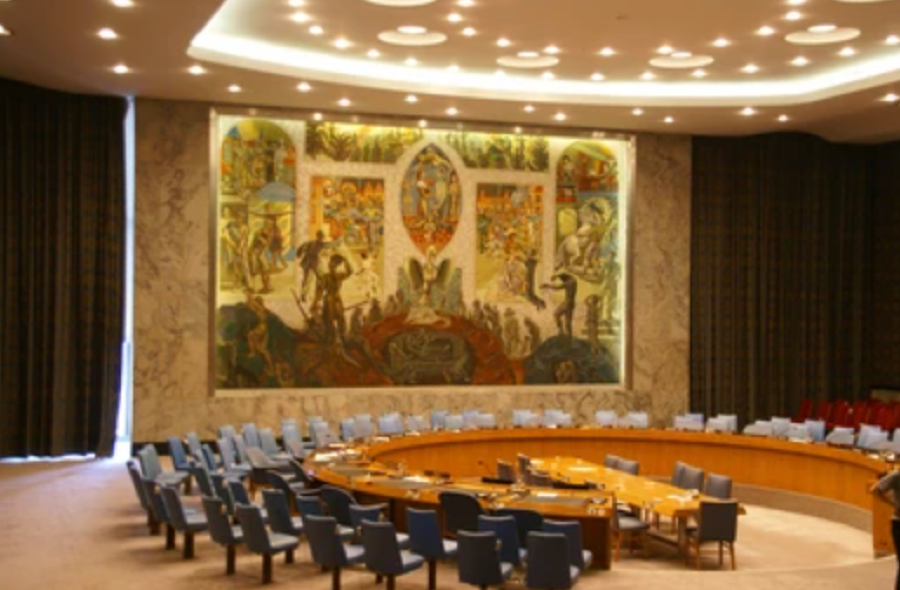
It gets mentioned around almost every major international conflict: The UN Security Council condemned this. The UN Security Council failed to act on that. A resolution in the UN Security Council was blocked.
But what actually is the Security Council, who sits at that table, and why can one country stop everything?
The United Nations, A Quick Background
Before understanding the Security Council you need to understand what it is a part of. The United Nations was founded in 1945, immediately after World War II, by 51 countries who shared a core belief: The world needed a permanent place where nations could talk instead of fight.
Today the UN has 193 member states, making it the closest thing the world has to a global government. It has no army, no ability to tax, and a limited ability to force countries to do anything. What it does have is legitimacy: Decisions made inside the UN carry political and moral weight that decisions made outside it do not.
The UN has six main bodies. The most powerful by far is the Security Council.
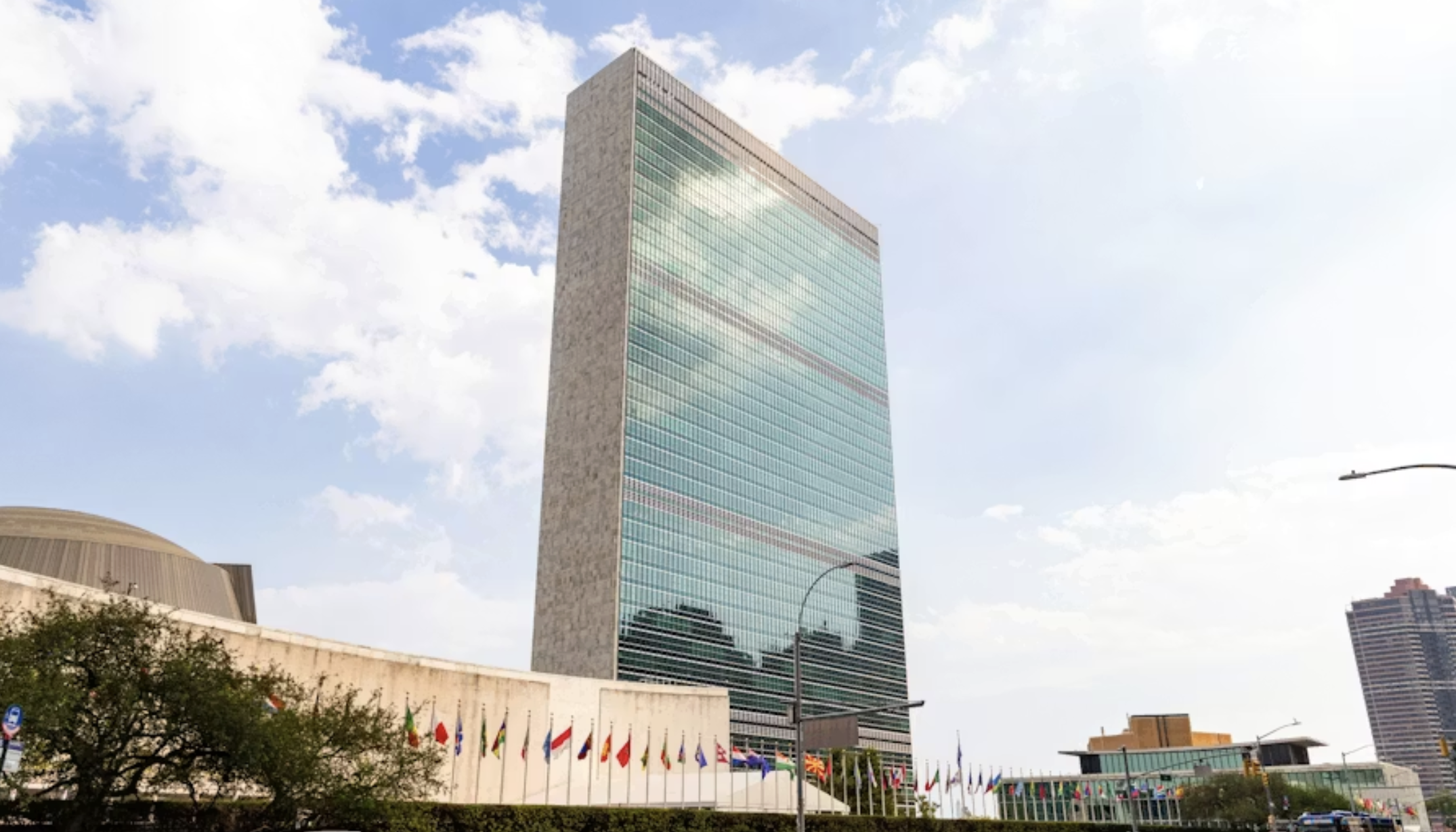
What Is the Security Council?
The Security Council is the UN body responsible for international peace and security. When a war breaks out, when a country is invaded, when a nuclear threat emerges, the Security Council is where the world's response is mainly decided.
It has 15 members in total. Ten of those seats rotate, different countries from around the world are elected to sit at one of the world's most important tables. These are called non-permanent members and they get the seat for two years.
The other five seats are permanent and their special status comes with something unique, they have a veto. They are called the P5. These are the five countries that won World War II:
- United States
- Russia
- China
- United Kingdom
- France
The Veto Power
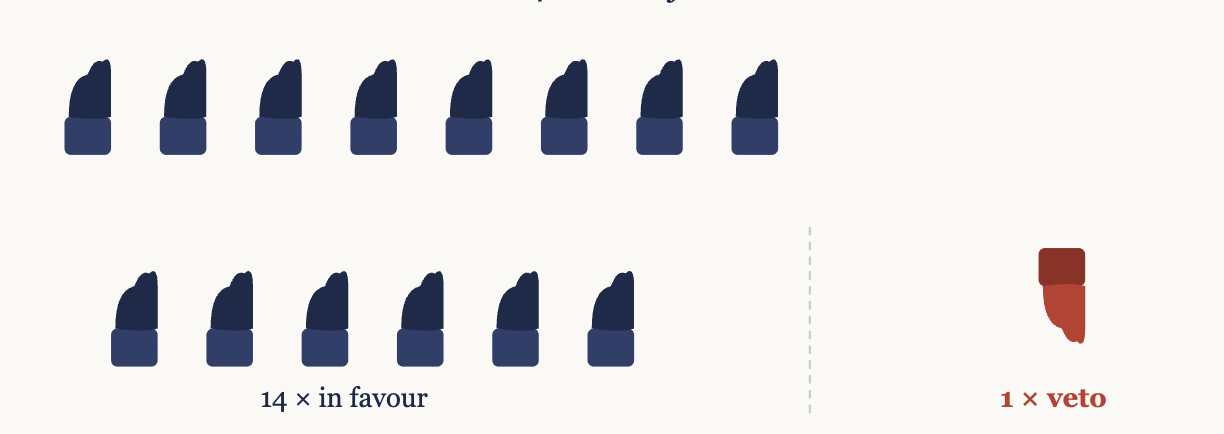
Each of the five permanent members holds an absolute veto power over any Security Council decision. Any one of them can block any resolution, no matter how many other countries support it. This means a single country can prevent the entire United Nations from officially responding to any conflict or crisis on Earth.
For a resolution or decision to pass the Security Council, it needs nine votes in favor from the fifteen members, and zero vetoes from any of the P5.
What Can the Security Council Actually Do?
When the Security Council does agree and passes a resolution, it has a couple of real and powerful tools available, it can authorize:
Economic sanctions — cutting a country off from international trade, banking and travel. These sanctions can cause serious damage to an economy over time.
Arms embargoes — banning the sale of weapons to a specific country or group.
Peacekeeping missions — deploying peacekeeping troops composed of member nations' soldiers to conflict zones to monitor ceasefires and protect civilians. This is a tool that has been used many times all over the world.
Military force — in extreme cases the Security Council can authorize member states to use military force. This is rare but has happened, most notably (but not limited to) during the Korean War in 1950 and the Gulf War in 1991.
Why Is It So Often Criticized?
The veto system was designed in 1945 with a specific logic: The major powers would only join the UN if they could never be outvoted on issues that directly affected them. Without the veto there would likely be no United Nations at all.
But the world of 1945 is not the world we live in today. Russia and the United States have spent much of the past 80 years on opposing sides of nearly every major conflict. China's role in the world has also changed a lot over time. The result is that the Security Council is frequently paralyzed precisely when the world might need it most.
For example, Russia has used its veto dozens of times to block resolutions related to Syria and Ukraine. The United States has used its veto repeatedly to block resolutions related to Israel and Palestine. When the interests of P5 members clash, and they often do, the Security Council cannot act.
Can the System Be Changed?
Technically yes, realistically no. Reforming the UN Charter requires a two thirds majority vote in the General Assembly and ratification by all five permanent members. In practice this means any P5 country can block any reform that reduces its own power. That seems unlikely to happen.
Proposals to expand the permanent membership, by giving seats to countries like Germany, Japan, India or Brazil for example, have been debated for decades without result.
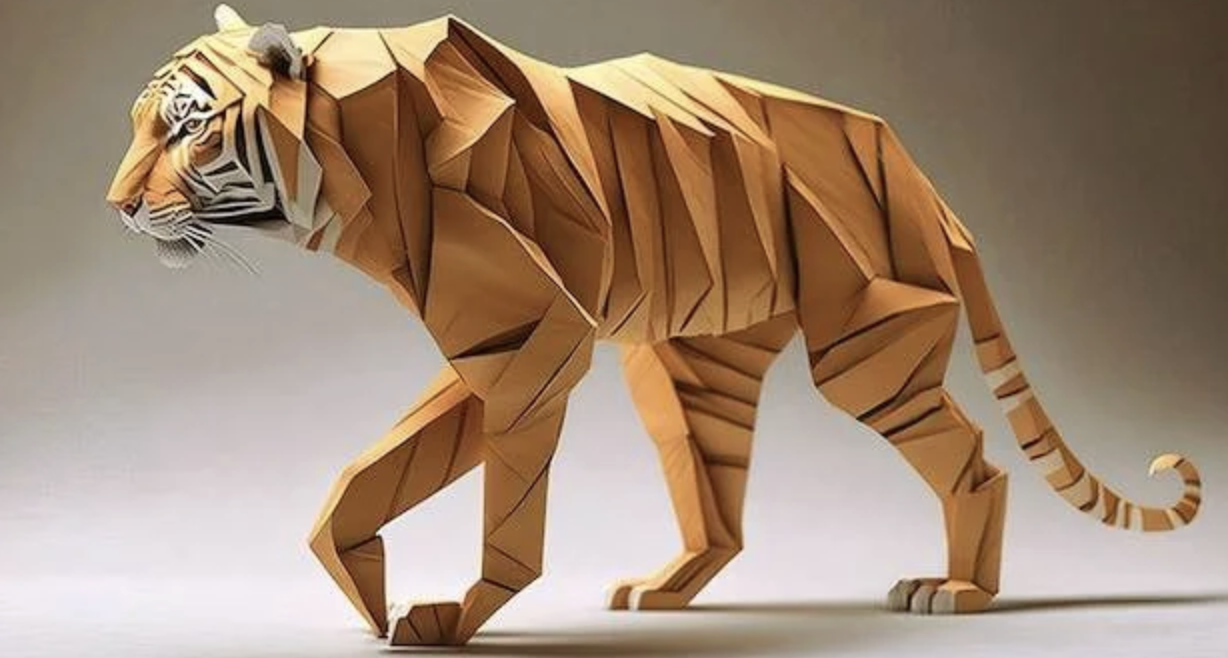
The Bottom Line: A Powerful Paper Tiger
The Security Council is simultaneously the most important and most frustrated institution in global politics. It represents the world's best attempt at collective decision-making on war and peace, while being structurally designed to protect the interests of the five countries that wrote its rules in 1945. That explains why international responses to conflict situations often seem slow or absent.