
What is NATO - The One Article That Rules Them All
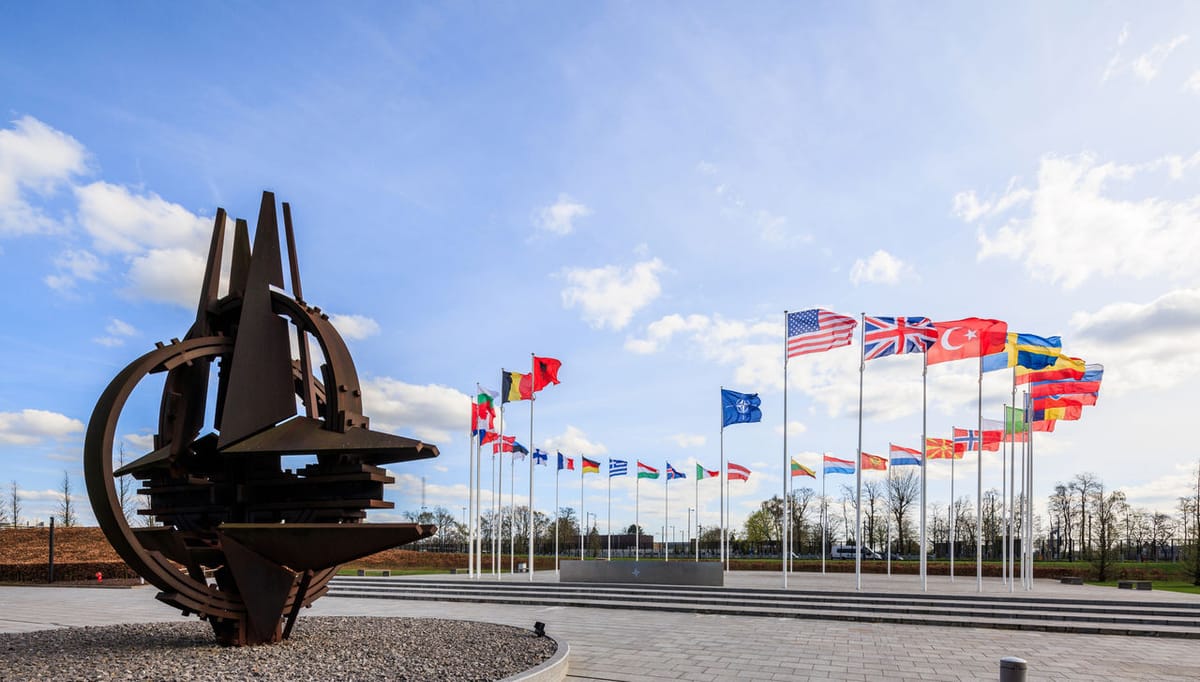
You've heard the name a thousand times. NATO. Politicians, generals and adversaries all talk about it. But what actually is NATO and why is one single article in its founding treaty always mentioned?
The Basic Idea
NATO stands for the North Atlantic Treaty Organization. It was founded in 1949 by 12 countries, right after World War II, with the main goal being: make sure nothing like that ever happens again.
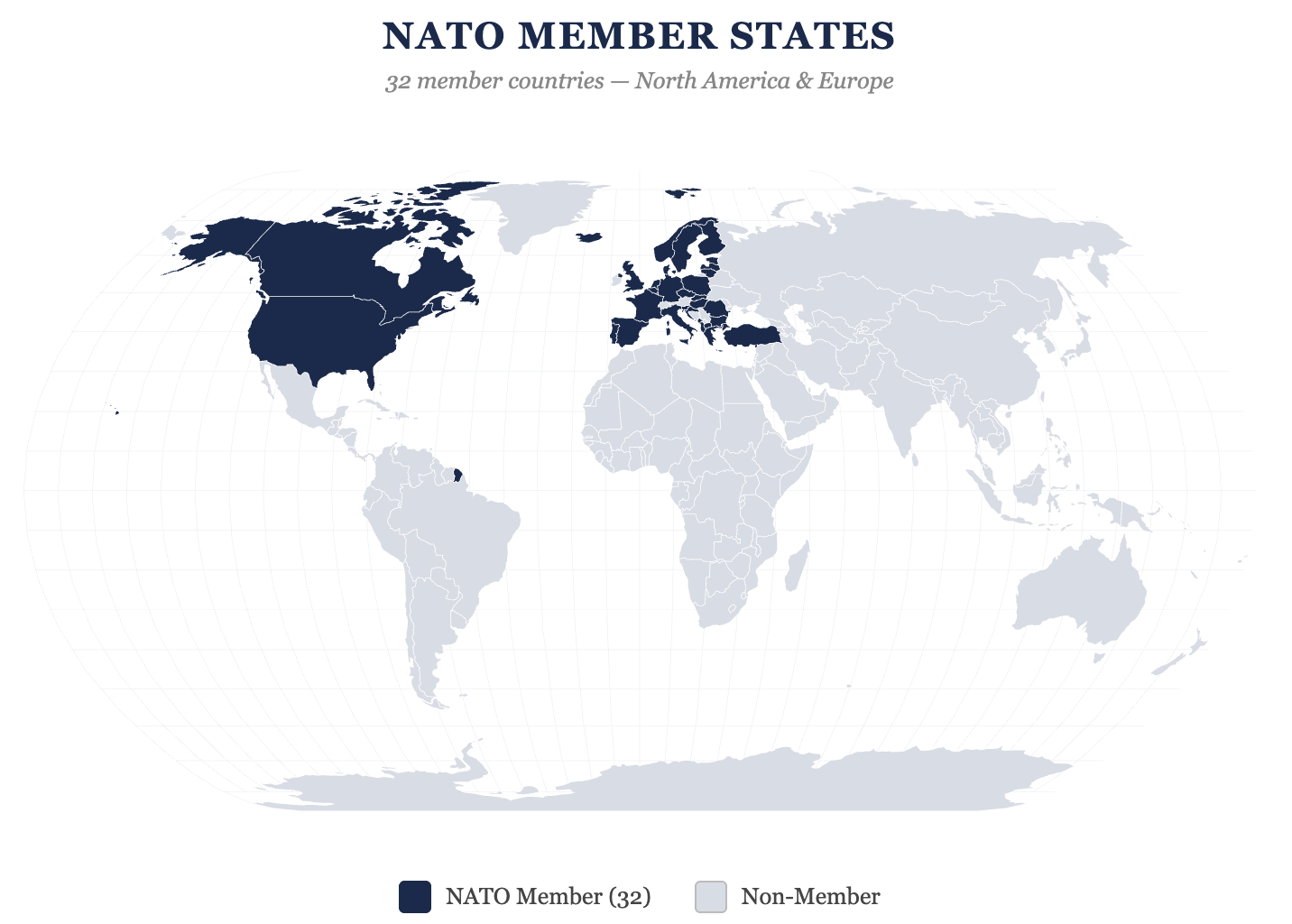
Today NATO has 32 member countries spanning North America and Europe, from the United States and Canada to tiny Montenegro and Iceland. They strive to keep the peace based on common values like democracy and freedom. Preferably with diplomacy, if necessary with military force.
How It Actually Works
NATO is not an army and it does not have one. What it has is a binding political and military commitment between its members and a shared military command structure that allows their forces to operate together. Members contribute troops, equipment, and money.
Decisions inside NATO require unanimous agreement from all members. Every country has a veto. The political leadership is in the hands of the North Atlantic Council (NAC), consisting of representatives of all members, under the leadership of the Secretary General. The military committee is composed of top military officials of its member states and advises the NAC.
Article 5 Explained
Article 5 of the NATO treaty is one of the most consequential sentences in modern history. It states that an armed attack against one member is considered an attack against all members. NATO will defend together as one.
This commitment is probably what has kept major war off European and North American soil for 75 years. It creates what strategists call a "deterrence umbrella" — the cost of attacking any NATO member is simply too high to risk it.
Article 5 has only ever been formally invoked once. After the September 11 attacks on the United States in 2001. European countries then joined the subsequent campaign in Afghanistan — not because they were attacked, but because their treaty said they had to treat it as if they were.
The Bottom Line
NATO is less of a military force and more like a promise — the most consequential promise in modern international relations. Its main power comes not from tanks or aircraft carriers but from the credibility of that commitment. As long as every member believes every other member will honor Article 5, the deterrence holds. The moment that belief wavers, everything changes.